
What people mean by “bodyrubs” in Toronto
In everyday conversation the term “bodyrubs” can mean different things depending on context. For many it simply refers to therapeutic or relaxing massage — the kind you book at a clinic or spa to ease a sore back, unwind after a long week, or recover from athletic strain. For others the phrase carries a looser connotation and can point to unregulated parlours offering a range of services.
Understanding that spectrum matters. If your goal is clinical pain relief, a registered massage therapist at a regulated clinic is the right route. If you’re exploring more general relaxation or mobile services, a licensed spa or mobile massage company will usually provide the safest and most transparent experience.
How massage and bodyrub services are regulated in Ontario
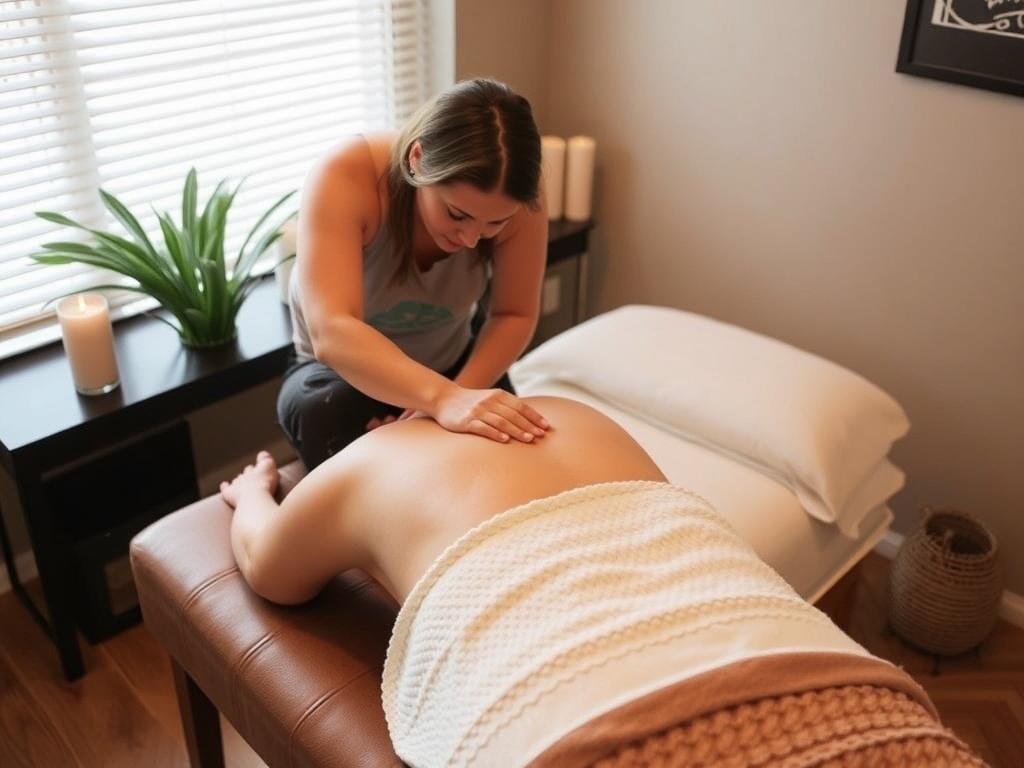
Massage therapy is a regulated health profession in Ontario. Registered Massage Therapists (RMTs) are overseen by the College of Massage Therapists of Ontario, which sets education, ethical, and clinical practice standards. RMTs complete accredited training and must carry professional liability insurance; they also appear on a public register that you can check before booking.
Beyond RMTs, the regulatory picture becomes more variable. Spas and wellness centres follow municipal business licensing and public health rules, but individual employees may not be regulated health professionals. Some establishments use the term “bodyrub” in marketing; if the provider lacks formal credentials, you should apply extra caution and verify what is actually being offered.
Common types of massage and where to find them in Toronto
Toronto’s massage scene is diverse: clinical clinics, hotel and day spas, boutique studios, and mobile therapists who come to your home. Each setting tends to focus on different outcomes — medical, athletic, relaxation, or convenience — and the environment affects expectations for privacy, draping, and professional boundaries.
Selecting the right venue starts with matching the service to your needs. Medical or pain-focused issues generally benefit from a clinic with RMTs who coordinate care. If you want a spa-style experience with added amenities, look for licensed day spas. For ease and flexibility, a reputable mobile therapist can deliver a professional session in your living room.
- Swedish (relaxation and circulation)
- Deep tissue (chronic muscle tension)
- Sports massage (athletic recovery and performance)
- Prenatal massage (pregnancy comfort, by trained therapists)
- Myofascial release and trigger point therapy (targeted pain relief)
- Hot stone, aromatherapy, and couples’ massage (spa-focused)
- Chair massage and reflexology (short, targeted sessions)
How to choose a reputable provider in Toronto
Choosing a trustworthy provider is a mix of verification and common sense. Start by confirming credentials: if you need clinical treatment, ask whether the practitioner is an RMT and check the provincial register. For spa and mobile services, request staff qualifications and hygiene policies up front.
Beyond credentials, assess transparency. A reputable provider will clearly publish prices, cancellation policies, and a menu of services. They’ll offer a pre-session intake form, ask about medical history, and explain draping and consent. If the booking process or website feels vague about who does the work, that’s a warning sign.
- Verify registration for medical massage (College of Massage Therapists of Ontario public register).
- Read recent reviews on multiple platforms, looking for consistency rather than isolated praise or complaints.
- Confirm the physical address and inspect the facility when you arrive: clean treatment rooms, proper draping, and professional demeanor.
- Ask about infection control, sanitation practices, and whether practitioners carry liability insurance.
- Request a clear price quote and written consent for any treatment plan.
What to expect during a professional massage session
A standard session begins with a short intake where you discuss symptoms, medical history, and goals. The therapist should explain how the session will proceed, including draping (covering non-treated areas), pressure levels, and any contraindications for certain techniques. Communication about pain and comfort is encouraged throughout.
Session length commonly ranges from 30 to 90 minutes. You’ll be asked what to wear — underwear is often fine for bodywork, and therapists will leave the room while you disrobe to your comfort level. Respect for boundaries and mutual consent is central: therapists are trained to maintain professional limits and to stop or modify techniques if you’re uncomfortable.
Pricing, payment, and practical considerations
Prices in Toronto vary by provider type, location, and practitioner experience. Clinical RMTs may charge rates that reflect their regulated status and specialized training, while hotel and luxury spa experiences typically cost more due to amenities and overhead. Mobile services add travel time and convenience fees.
Payment methods usually include credit/debit, e-transfer, or cash; some clinics accept insurance or extended health benefits for RMT services. Always confirm whether a receipt suitable for insurer reimbursement will be provided if you plan to claim the treatment.
| Provider type | Regulation/credentials | Typical focus | Approximate price range* | Where to search |
|---|---|---|---|---|
| Registered Massage Therapist (RMT) | Regulated by provincial college; formal training | Clinical pain management, rehabilitation | $70–$120 per hour | Clinic websites, CMTO public register, physiotherapy clinics |
| Day spa / hotel spa | Business-licensed; individual staff may vary | Relaxation, pampering, spa rituals | $100–$250 per hour | Spa directories, hotel concierge, local listings |
| Mobile therapist | Varies — some RMTs offer mobile services | Convenience, at-home relaxation or therapy | $80–$150 per hour (plus travel) | Mobile apps, company sites, local search |
| Unregulated parlour / “bodyrub” parlour | Varied; may lack professional oversight | Relaxation or unregulated services; quality uneven | Highly variable | Classifieds, certain local listings (verify carefully) |
*Ranges are approximate and can change with location and demand.
Safety, consent, and legal boundaries
Respect for boundaries and informed consent are non-negotiable. A professional therapist will obtain your consent before any hands-on work and will stop if you express discomfort. Sexual activity during a regulated therapy session is inappropriate and, depending on the circumstances, may be illegal.
If you feel unsafe or pressured at any point, end the session and leave the premises if possible. If you believe a crime has occurred, contact local police. For concerns about an RMT’s conduct, you can file a complaint with the College of Massage Therapists of Ontario; for business licensing or health code violations, contact the City of Toronto’s licensing or public health division.
- Do not feel obliged to consent to any techniques you don’t understand.
- Watch for red flags: requests for cash-only payments without receipts, lack of intake forms, or a provider avoiding questions about training.
- Bring a friend or wait in the reception area if you want extra reassurance before your session.
Practical tips for a better massage experience
A few small preparations make sessions more effective. Hydrate before and after, avoid heavy meals right before treatment, and arrive a few minutes early to complete forms and settle in. Communicate your goals and any areas of sensitivity or previous injuries so the therapist can tailor the session.
Aftercare matters: gentle stretching, rest, and drinking water help integrate the work. Mild soreness for a day or two can be normal after deeper techniques; persistent or worsening pain should prompt follow-up with the therapist or your primary healthcare provider.
Frequently asked questions
People often ask whether their insurance will cover bodyrub services, how to tell a therapeutic massage from other offerings, and what to do if a therapist crosses a boundary. These are practical concerns grounded in safety, cost, and professional standards.
- Will my insurance cover the session? Many extended health plans cover RMTs when performed by a registered practitioner; spa and unregulated services are less likely to be reimbursed. Check your plan details and request an itemized receipt.
- How can I tell a therapeutic provider from a non-clinical one? Ask about registration (RMT), training, and whether they follow a clinical intake and documentation process. Clinics and physiotherapy centres typically present clear credentials.
- What if I feel uncomfortable during a session? Speak up, request a change in pressure or technique, or end the session. If misconduct occurs, report it to the appropriate regulatory or law enforcement agency.
Resources and next steps
If you’re seeking treatment for a specific health issue, start with a consultation at a clinic staffed by RMTs or allied health professionals. For a weekend of relaxation, compare spa packages and read recent guest reviews. When in doubt, prioritize transparency, credentials, and reviews from multiple sources.
Be an informed consumer: verify credentials, ask questions, and choose the setting that matches your needs. Toronto’s city services and professional colleges offer complaint and verification channels if something goes wrong — use them to protect yourself and others.
Conclusion
Finding safe, effective bodyrub services in Toronto is about matching your needs to the right provider: choose regulated RMTs for clinical care, licensed spas for pampering, and verified mobile therapists for convenience, and always verify credentials, consent practices, and cleanliness before booking.