
What Japanese massage means today
Japanese massage is not a single technique. It’s a family of hands-on therapies shaped by centuries of practice, blending practical bodywork with concepts of balance and energy. When people talk about Japanese massage they most often mean shiatsu or anma, but the tradition also includes less-known regional methods and contemporary adaptations used in clinics and spas.
Unlike purely western relaxational massage, Japanese styles emphasize pressure, alignment and subtle palpation rather than long gliding strokes. The work is intentional and often guided by a diagnosis of tension patterns; therapists use thumbs, palms, knuckles, and sometimes feet to correct posture, relieve pain, and restore comfort.
Key styles: shiatsu and anma
Shiatsu, which translates roughly as “finger pressure,” is the best-known export. Emerging in the early 20th century, it integrates classic Asian ideas about meridians with modern anatomy. A typical shiatsu session is performed through clothing on a futon or table and focuses on pressing specific points and stretching limbs to free blocked energy and mobilize joints.
Anma is older and closer to what people might recognize as traditional Japanese therapeutic massage. It relies on kneading, rubbing, and tapping, often targeting deeper tissue with rhythmic strokes. Anma’s techniques were historically used for rehabilitation and daily care, and many Japanese manual therapists train in both anma and shiatsu to broaden their skill set.
Shiatsu in practice
Shiatsu therapists map tension in the body using palpation and apply steady, localized pressure. Sessions typically include sequences that follow meridian lines and include gentle joint rotations and traction. Pressure is adapted to the recipient’s condition; it can be relaxing or invigorating depending on the goal.
Beyond hands-on work, shiatsu often includes a therapeutic conversation. Practitioners ask about sleep, digestion, and stressors to form a whole-body picture. This combination of tactile technique and holistic assessment differentiates shiatsu from purely muscular therapies.
Anma and its role in Japanese care
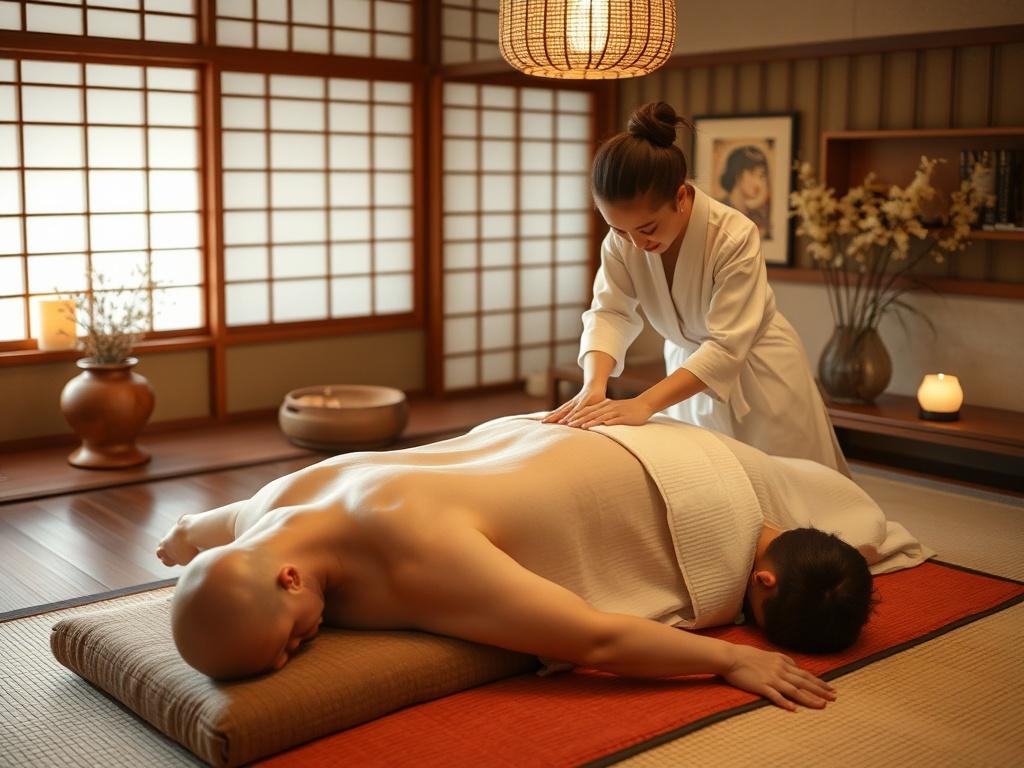
Anma’s approach emphasizes rhythmic movement: alternating kneading, compression, and tapping that stimulates circulation and eases muscle stiffness. It’s practical, efficient work designed to be used in clinics, homes, and even on the move—historically given to elders, postnatal mothers, and people recovering from illness.
Modern anma has influenced many other Japanese therapies, and you’ll often find its elements included in spa treatments and physiotherapy routines. Because it targets deeper layers with broader strokes, anma complements the point-focused work of shiatsu.
Principles and core techniques
At the heart of Japanese massage are three simple ideas: apply purposeful pressure, respect body alignment, and work with breath and rhythm. Practitioners aim to release restrictions while preserving comfort and structural balance. The techniques focus equally on tissue and mobility, so sessions tend to improve both local symptoms and overall movement.
Typical techniques include sustained thumb pressure, palm compression, rhythmic kneading, percussion (tapping), and joint mobilization. Sessions may also use passive stretches, gentle traction, and guided breathing to maximize effect. The cumulative result is improved circulation, eased muscle tone, and often a calmer nervous system.
| Style | Primary focus | Common techniques | Typical session |
|---|---|---|---|
| Shiatsu | Meridian balance, point pressure, mobility | Thumb/finger pressure, stretches, joint rotations | 45–90 minutes on futon or table |
| Anma | Circulation, muscle relaxation, rehabilitation | Kneading, compression, tapping, broad strokes | 30–60 minutes on table or chair |
| Modern blends | Symptom relief with individualized approach | Combination of techniques from shiatsu, anma, and western massage | 30–90 minutes depending on clinic |
Benefits and what the research says
People seek Japanese massage for many reasons: neck and back pain, headache relief, stress reduction, and to restore mobility after injury. Clinically, shiatsu has been associated with reductions in chronic low-back pain and improvements in sleep and fatigue in some studies. Anma-style work improves regional blood flow and muscle stiffness when used consistently.
Research is growing but not exhaustive. Trials often vary in quality and size, so evidence should be read cautiously. Still, patient reports and clinical experience converge: regular, well-applied Japanese massage can decrease pain, enhance range of motion, and support relaxation. Think of it as a restorative practice rather than a miracle cure.
- Common benefits: reduced muscle tension, improved circulation, better joint mobility.
- Well-being effects: decreased stress, improved sleep patterns, heightened body awareness.
- Rehabilitative use: adjunct therapy for chronic conditions, postural correction, and recovery support.
What to expect during a session
First sessions typically begin with a short intake—questions about medical history, current symptoms, and lifestyle. Therapists assess posture and may palpate key areas to map tension. Contrary to some spa experiences, Japanese massage often involves more direct pressure and targeted work than gentle, oil-based relaxation sessions.
Sessions usually progress from broader, warming techniques to focused pressure on points and then finish with gentle mobilizations and breath-based calming. You might feel immediate relief or a subtle shift that develops over days. Because the work can be deep, it’s normal to have mild soreness afterward; drinking water and resting helps the body integrate changes.
- Intake and assessment: establish goals and medical considerations.
- Warm-up: broad strokes or gentle kneading to prepare tissues.
- Targeted work: pressure, point stimulation, and joint movements.
- Closure: light calming techniques and post-session advice.
Choosing a practitioner and safety considerations
Find a therapist with formal training in shiatsu or anma and good local reviews. Certification frameworks differ by country, so ask about education, hours of supervised practice, and whether the therapist works in collaboration with medical professionals. A skilled practitioner will welcome questions and explain the rationale for treatment choices.
Certain conditions require caution. High blood pressure, deep vein thrombosis, acute infections, recent fractures, and some pregnancy stages call for modified work or avoidance. Always inform the therapist of medication, implants, or recent surgeries so they can adapt techniques safely.
- When to avoid deep work: fever, active inflammation, or unknown rashes.
- Discuss modifications for pregnancy, osteoporosis, or anticoagulant medication.
- Ask about sanitation, session boundaries, and what to wear for comfort.
How Japanese massage compares to other traditions
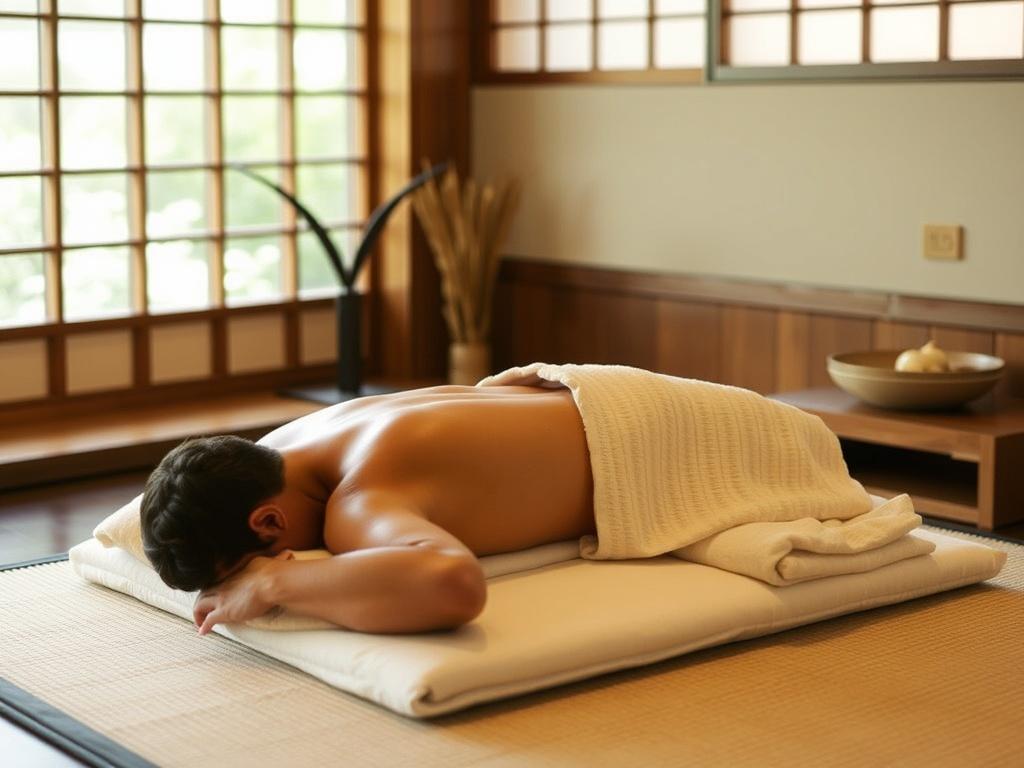
Compared with Swedish massage, which prioritizes long gliding strokes and oil, Japanese styles tend to be firmer, point-focused, and often performed through clothing. Thai massage shares some joint mobilization and rhythm with shiatsu, but Thai work is more dynamic and performed on a mat with yoga-like stretches.
Japanese massage occupies a practical middle ground: it is rehabilitative without being purely clinical, and structured without losing gentleness. For people who want meaningful structural change—better posture, less chronic pain—Japanese techniques can be more directly effective than purely relaxation-oriented therapies.
Self-care: simple shiatsu moves to try at home
You don’t need to be a therapist to use basic shiatsu-based techniques for relief. Simple point pressure, active breathing, and mindful body scans can decrease tension between sessions. These practices aren’t a substitute for clinical care, but they empower you to manage daily stress and stiffness.
Use caution and listen to your body—avoid pressuring inflamed or injured sites. If something increases sharp pain, stop. The goal is gentle, sustained pressure and breath-coordinated release rather than aggressive force.
- Neck release: press the base of the skull with thumbs while breathing slowly for 20–30 seconds.
- Shoulder ease: knead the upper trapezius with palm and thumb in small circular motions for one minute each side.
- Hand relaxation: press the webbing between thumb and index finger for 30 seconds to relieve headache tension.
- Lower-back support: press along the paraspinal muscles with flat palms while rocking the pelvis gently for one minute.
Practical tips for ongoing results
Consistency matters. A single session can provide relief, but regular treatments or a combined home-care routine often produce lasting improvements. Pair massage with mobility exercises, ergonomic adjustments at work, and sleep hygiene to maximize outcomes.
Track what changes after sessions—pain intensity, sleep quality, and daily movement ease. That feedback helps practitioners tailor future work, turning each appointment into a step toward better function rather than a one-off luxury.
Conclusion
Japanese massage—anchored by shiatsu and anma—offers a practical, hands-on approach to pain relief, relaxation, and improved mobility; it blends targeted pressure, joint work, and holistic assessment to treat both symptoms and their patterns, and when performed by a trained practitioner and paired with sensible self-care, it can be a valuable element of a balanced wellness plan.