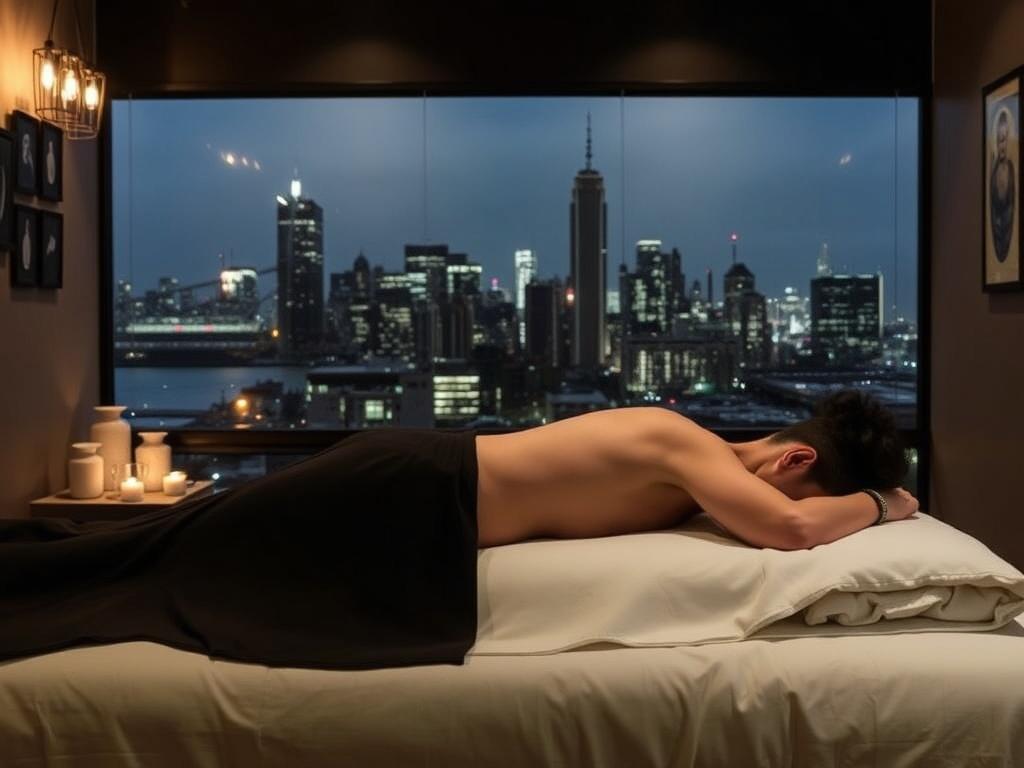

Why get a massage in Brooklyn
Brooklyn’s massage scene reflects the borough itself: diverse, inventive, and neighborhood-focused. From small, appointment-only therapy rooms in Park Slope to hybrid wellness studios in Williamsburg and mobile therapists who come to your brownstone, you’ll find approaches that match a wide range of needs—relaxation, rehab, prenatal care, or sport-specific recovery.
Beyond modality variety, local therapists tend to blend techniques and practical advice. Many combine hands-on work with stretches, movement coaching, or short home-care plans. If you prefer a clinical, massage-therapy-first approach or a spa-style escape, Brooklyn offers both, often within a few subway stops of one another.
Types of massage you’ll commonly find
Relaxation and Swedish-style work
Swedish massage focuses on long, gliding strokes, light kneading, and rhythmic tapping to promote circulation and calm the nervous system. In Brooklyn, these sessions are popular at day spas and boutique studios aimed at stress relief and better sleep.
Expect a softer pressure and an emphasis on an overall calming experience. Therapists will often pair Swedish work with aromatherapy or gentle hot stones for a slightly elevated spa feel—useful if you want relaxation without aggressive manipulation.
Deep tissue, therapeutic, and sports massage
Therapeutic and deep-tissue work targets chronic tension, scar tissue, and performance-related strains. These techniques use slower, firmer strokes and may incorporate trigger-point release, cross-fiber friction, and active-assisted stretching.
Sports massage in Brooklyn often dovetails with local running clubs, CrossFit gyms, and cycling groups. Practitioners frequently coordinate with coaches and physical therapists to address imbalances, improve range of motion, and accelerate recovery between intense sessions.
Specialty modalities: prenatal, lymphatic, and alternative methods
Many Brooklyn therapists carry additional training in prenatal massage, manual lymphatic drainage, myofascial release, cupping, and Thai massage. Prenatal sessions prioritize comfort and safety, using side-lying positions and gentle techniques focused on back pain and swelling.
Manual lymphatic drainage is offered for post-surgical recovery or chronic swelling, while cupping and myofascial approaches are used for stubborn adhesions and fascial restriction. Ask about certification—specialty work should be performed by practitioners with targeted training.
Chair and mobile massage
Chair massage is fast and accessible: clothed clients sit in a specialized chair for 10–30 minutes of focused work on the neck, shoulders, and upper back. You’ll find chair services at markets, corporate events, and quick-stop wellness shops across the borough.
Mobile massage therapists bring full-table sessions to homes and offices. If you prefer privacy or have mobility limits, a licensed mobile therapist can set up in a living room or conference space. Confirm they carry liability insurance and a portable table that matches your comfort needs.
How to choose a massage therapist in Brooklyn
Choosing a therapist is part practical and part personal. Credentials matter: look for a state-licensed massage therapist (LMT) or someone with certification from a recognized school. But equally important are communication skills, professional boundaries, and a clear treatment plan tailored to your goals.
Read recent client reviews, but use them as context rather than gospel. A high-rated practitioner might be perfect for relaxation but not ideal for aggressive sports therapy. If possible, ask a few direct questions before booking to ensure the therapist’s strengths match your needs.
- What training and licenses do you hold?
- How would you treat my specific complaint (e.g., tight shoulders, sciatica)?
- Do you have experience working with athletes, pregnant clients, or post-op cases?
- What is your cancellation and rescheduling policy?
- Are you insured and do you offer mobile visits?
These questions clarify expectations and protect your time and money. A good therapist will welcome them and outline realistic outcomes and any needed physician clearance.
What to expect at your first Brooklyn massage
Intake begins with a brief health history and a discussion of your goals. Therapists routinely ask about prior injuries, medications, recent surgeries, and areas of pain. This step is crucial; it shapes session focus and determines safe pressure and techniques.
Draping, pressure, and communication are standard topics: you’ll be properly covered except for the area being worked on, and the therapist should check in about pressure early and intermittently. After the session, expect simple aftercare suggestions—hydration, gentle stretches, or a follow-up plan—and a recommendation for frequency if ongoing work would help.
- Arrive 10–15 minutes early to complete intake forms or discuss goals.
- Wear comfortable clothing; remove jewelry and glasses for table work.
- Speak up about pressure or discomfort; good therapists adjust immediately.
- Follow aftercare advice and note any unusual reactions for your next visit.
Costs, tipping, and booking logistics
Prices in Brooklyn vary by neighborhood, therapist experience, and studio type. Expect a wide range: a 60-minute relaxation massage at a basic shop might be toward the lower end, while an experienced clinical therapist or boutique studio will charge more. Many places offer package rates or monthly maintenance plans for regular clients.
Tipping is customary in the U.S. and common in Brooklyn for spa and independent therapists. Standard gratuity ranges from 15–25% depending on service quality and local norms. When booking, check whether the price listed includes taxes or a service fee, and verify cancellation windows to avoid surprises.
| Type of Session | Typical Length | Common Price Range (Brooklyn) | Best For |
|---|---|---|---|
| Swedish/Relaxation | 30–90 minutes | $60–$150 | Stress relief, light tension |
| Deep Tissue/Therapeutic | 45–90 minutes | $80–$170 | Chronic tension, rehabilitation |
| Sports | 30–90 minutes | $75–$180 | Athletes, injury prep/recovery |
| Prenatal | 45–75 minutes | $80–$160 | Pregnancy-related discomfort |
| Chair/Mobile (short) | 10–30 minutes | $20–$80 | Quick relief, events, convenience |
Practical local tips: neighborhoods, transit, and etiquette
Neighborhoods matter. In Park Slope and Brooklyn Heights you’ll find established clinics with a family-friendly vibe. Williamsburg and Greenpoint skew trendier, with boutique spas and hybrid wellness spaces. DUMBO and Downtown Brooklyn offer convenient options for commuters, while Bay Ridge and Sunset Park have community-oriented clinics with lower price points.
Public transit is generally the simplest way to get around—most studios are near subway lines or bus routes. If you drive, ask about parking options; some areas offer street parking but limited meter availability. For mobile services, confirm where the therapist can set up and whether building rules or doormen require prior notice.
Contraindications and when to see a doctor first
Massage is safe for many people, but not everyone should receive it without medical clearance. Recent surgery, uncontrolled high blood pressure, deep vein thrombosis, febrile illness, active infection, and certain skin conditions are common reasons to postpone or modify treatment. If you have cancer, autoimmune disease, or are on blood thinners, consult your physician before booking intense work.
Pregnant clients should seek therapists trained in prenatal care; certain techniques and positions are contraindicated. If you experience sharp pain, numbness, tingling, fever, or worsening symptoms after a massage, contact your healthcare provider promptly and inform your therapist at the next visit.
Finding reputable Brooklyn massage businesses and resources
Start with licensed directories and verify state board listings when possible. Reviews on Google and Yelp provide a sense of current client experiences, but prioritize recent feedback and specific comments about therapeutic outcomes, professionalism, and cleanliness.
Community resources are useful: local running shops, gyms, and obstetricians often recommend therapists they trust. Training schools in Brooklyn frequently run student clinics with supervised care at reduced rates—an option if cost is a barrier and you’re comfortable with supervised practice.
Preparation checklist for a great session
Good preparation makes your session more effective. Arrive hydrated, avoid a heavy meal immediately before a table session, and wear comfortable clothes that you can change out of or into easily. Bring any pertinent medical records or notes about past injuries so your therapist can design informed work.
- Hydrate before and after the session.
- Note medications and recent injuries on intake forms.
- Arrive early to discuss goals and any contraindications.
- Plan gentle activity afterward—avoid intense workouts right away.
Building a lasting relationship with your therapist
0
If you find a therapist whose work improves your mobility, reduces pain, or helps you relax, consider setting a regular cadence of visits. Regular sessions create a baseline of muscle tone and awareness, allowing the therapist to track progress and adjust techniques. Packages or membership plans often offer savings and consistent scheduling.
Communication remains the cornerstone: give feedback during sessions, keep the therapist updated on changes in health or activity level, and reassess goals periodically. The right long-term relationship feels collaborative—your therapist becomes a partner in maintaining function, easing pain, and supporting overall well-being.
Conclusion
Brooklyn offers a broad spectrum of massage options—clinical, spa, mobile, and specialty—and choosing the right therapist comes down to clear goals, verified credentials, and good communication; come prepared, ask the right questions, and you’ll find an approach that fits your body, schedule, and budget.