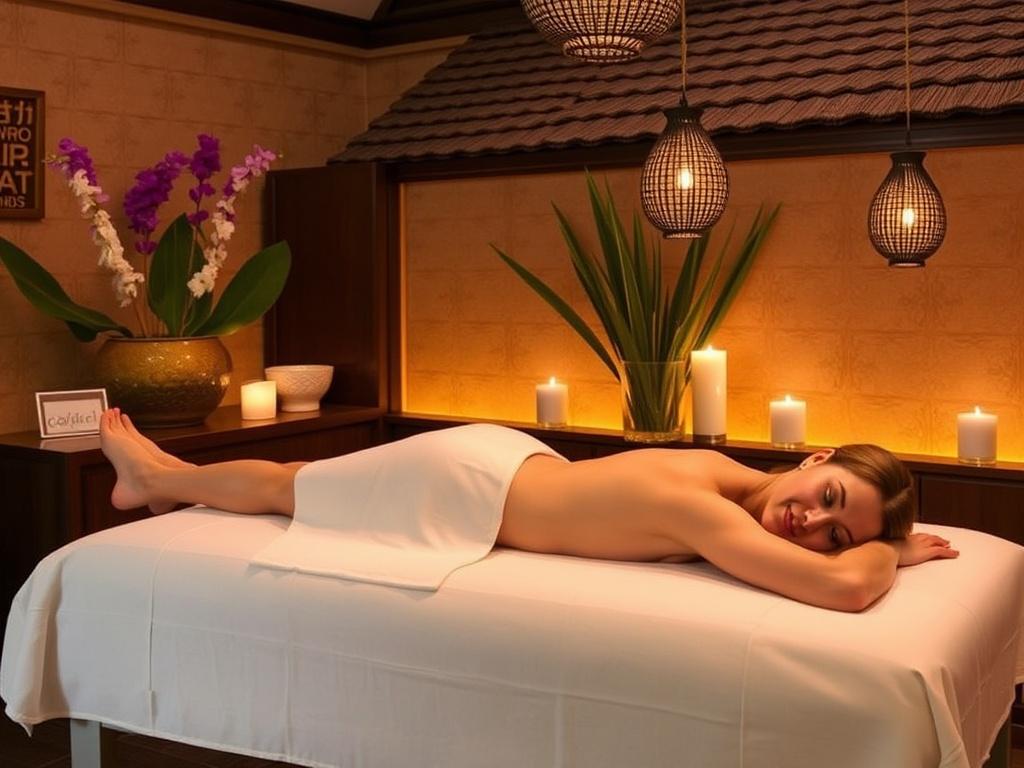

If you’re trying to figure out how much a Thai massage should cost, you aren’t alone. Prices vary wildly depending on where you are, the type of studio, and the skill of the therapist. Knowing the usual ranges and the factors behind them helps you avoid overpaying—or settling for a disappointing session.
This guide breaks down typical price ranges, explains what affects cost, and offers practical tips for finding quality work at a fair price. Read on and you’ll be prepared to choose a session that feels restorative and worth every dollar.
How Thai Massage Pricing Works
Unlike a one-size-fits-all product, a Thai massage is a service shaped by many variables. Time on the table is a baseline, but training, location, the facility’s overhead, and even the massage style all influence the final bill. Think of price as a signal for what you’re buying: quick, inexpensive treatments tend to prioritize speed and volume; higher fees usually indicate more experienced therapists and calmer environments.
Understanding the core drivers behind cost helps you make informed choices. Below are the most common factors that determine what you’ll pay.
- Session length — common options are 30, 60, 90, and 120 minutes; longer sessions cost more but offer greater value per minute.
- Type of establishment — street shop, licensed spa, medical clinic, or luxury resort; overhead and standards differ widely.
- Therapist training and experience — certified traditional Thai practitioners generally command higher rates than casual workers.
- Location — urban centers and resort towns charge premium prices compared with smaller cities or rural areas.
- Included amenities — oil, aromatherapy, private rooms, or post-massage tea can increase the price.
Typical Price Ranges by Setting (Quick Reference Table)
Below is a general price matrix in U.S. dollars to help you benchmark what you’re offered. These are approximations; use them to spot outliers and set expectations when booking.
| Session Length | Budget / Street Shop | Clinic / Licensed Studio | Upscale Spa / Resort | Notes |
|---|---|---|---|---|
| 30 minutes | $10–$25 | $20–$40 | $40–$70 | Good for quick footwork or chair Thai. |
| 60 minutes | $15–$40 | $40–$90 | $80–$160 | Most common length; balance of cost and benefit. |
| 90 minutes | $25–$60 | $70–$130 | $120–$220 | Better for a full-body Thai with stretching. |
| 120 minutes | $40–$80 | $100–$180 | $180–$350 | Best for deep work or luxury spa rituals. |
Prices in Thailand and other Southeast Asian countries skew lower than in Western cities; a 60-minute traditional Thai massage might be $6–$25 in Thailand, while the same service in New York or London could be $70–$150. Always consider local market rates and the facility’s reputation.
Use the table to compare what you’re quoted and decide whether a lower price reflects value or shortcuts in training, hygiene, or comfort.
Types of Thai Massage and How They Affect Price
“Thai massage” covers several related practices. The method and added elements will change how therapists work—and how they price their services.
Here are common styles and why each might cost more or less.
- Traditional Thai (Nuad Boran): A dry massage performed fully clothed, emphasizing passive stretching and acupressure. It’s often mid-priced at clinics that prioritize technique.
- Oil Thai / Fusion: Combines Thai principles with oil-based Swedish techniques. Uses linens and private rooms, so prices tilt higher due to supplies and amenities.
- Foot Reflexology: Focuses on feet, lower legs, and sometimes shoulders. Short sessions are inexpensive and popular for quick relief.
- Medical/Clinical Thai: Provided by therapists with additional training in rehabilitative techniques. Higher fees reflect specialized expertise and liability insurance.
- Four-Hand or Couples Thai: Two therapists or a private shared room increases cost accordingly—often chosen for luxury experiences.
More specialized training or a clinical orientation usually raises prices because therapists invest in continuing education, licensing, and professional standards.
Choosing Between Price and Quality
Deciding how much to spend comes down to your goals. If you want relaxation and basic muscle release, a reputable mid-range studio or a well-reviewed budget shop can do the job. If you have chronic pain, prior injuries, or need therapeutic results, invest in a licensed clinic with experienced practitioners.
Below are practical points to weigh before booking.
- Check credentials: look for certifications or memberships in professional massage associations.
- Read recent reviews: patterns in feedback reveal consistency—or lack of it.
- Inspect cleanliness and privacy: these affect both comfort and safety.
- Ask about training and specialties before you book, not after you arrive.
Tipping, Packages, and Negotiation
Tipping customs vary by country and setting. In Thailand, tipping is appreciated but modest; in Western countries, 15–20% is common for excellent service. Spas often include service charges—check the bill before adding a tip.
Packages can offer good value if you plan multiple sessions or want combined treatments (e.g., Thai massage plus facial). Negotiate gently for walk-in offers in small shops, but avoid hard bargaining at licensed clinics and resorts where prices support staff wages and standards.
- Confirm whether taxes and service charges are included.
- Ask about package expiration and cancellation policies.
- Consider buying multiple sessions if recommended by a therapist for ongoing issues.
Safety, Contraindications, and When to Spend More
Thai massage includes stretching and joint mobilization, which can be contraindicated in certain conditions. If you have osteoporosis, blood-clotting disorders, recent surgery, or are pregnant, discuss safety with the therapist and, if necessary, your physician. Clinics that screen clients and tailor sessions are worth the additional cost for higher-risk situations.
Red flags to take seriously include therapists who ignore your pain signals, pressure that feels injurious, or lack of a basic health intake. Spending more on a reputable clinic often means better screening, informed consent, and treatments aligned with your health needs.
- Red flag: no intake questions about health or medications.
- Red flag: therapist insists on strong pressure despite your discomfort.
- When to spend more: chronic pain, rehabilitative goals, or complex medical history.
How to Find a Good Deal Without Sacrificing Safety
Good value is not cheapest price; it’s the best combination of results, safety, and comfort for your budget. Start with local reviews and recommendations, then narrow choices by viewing the facility’s website and verifying staff credentials. Many clinics post therapists’ training and specialties online.
Try these pragmatic steps to get a fair, effective session:
- Book a 60-minute session first to assess therapist style and technique.
- Ask whether they adapt pressure and stretches to individual tolerance.
- Look for studios that explain contraindications and adapt treatment plans.
- Use beginner promotions or weekday discounts for lower rates without lowering standards.
Booking and What to Expect in a Session
When you arrive, expect a brief intake form or conversation covering medical history, pain points, and your goals. Traditional Thai massage is done on a mat on the floor or a low table; you’ll wear loose, comfortable clothing. Oil-based sessions take place on a massage table with linens and may include aromatherapy.
During the session, therapists use their hands, thumbs, forearms, elbows, knees, and feet to apply pressure and guide stretches. Communication is key: say if pressure is too deep or a stretch feels sharp. A good therapist will adjust and explain what they’re doing and why.
- Arrival: 10–15 minutes early to complete intake and change clothes.
- Session: therapist explains the plan and checks pressure regularly.
- Aftercare: brief rest, water, and suggestions for follow-up or stretches.
Common Questions Answered
People frequently want quick answers: How much should I tip? Is a 30-minute session worth it? Do clinics accept insurance? Below are concise, practical responses to typical concerns.
Tipping: In Western countries, 15–20% is customary for good service; in Southeast Asia a smaller cash tip is common but not mandatory. Short sessions: 30-minute treatments are useful for targeted relief but rarely adequate for full-body work. Insurance: most health insurance plans do not cover spa-style Thai massages; clinical or therapeutic sessions may be eligible if performed by licensed professionals and prescribed by a physician. Always confirm with your insurer.
- Best for chronic pain: seek clinical Thai or therapists with rehabilitative training.
- Best for relaxation: oil-fusion Thai at a reputable spa.
- Best for travel and tight budgets: look for community clinics or student clinics with supervision.
Final Practical Tips Before You Go

Reserve by phone or online to ensure you get the therapist and time you want. Wear or bring loose clothing for traditional Thai. Drink water before and after the massage to help flush metabolic byproducts from deeper tissue work. If possible, schedule sessions a day before important travel or strenuous activity—your body often needs a short recovery window after deep stretching.
Trust your instincts. If a place feels rushed, unclean, or the therapist won’t discuss technique and safety, walk away. There are always better options that match both your budget and your wellbeing.
Conclusion
Thai massage prices reflect session length, location, therapist training, and the facility’s standards; use the price ranges and practical checks in this guide to judge value rather than just cost, and prioritize clinics that ask about your health, explain techniques, and adjust treatment to your needs so you get results without unnecessary risk.