
What people mean by «body rub» in Brooklyn
The term «body rub» can mean different things depending on who you ask. In everyday Brooklyn conversation it often refers to therapeutic massage or bodywork performed to relieve pain, reduce stress, or improve mobility. Many people use the phrase casually to describe a wide range of hands-on treatments offered at licensed spas, independent studios, and wellness centers across the borough.
Because the phrase carries informal connotations, it’s useful to separate the legitimate, health-oriented services—like Swedish, deep-tissue, or sports massage—from anything that feels ambiguous or solicits inappropriate activity. This article focuses on reputable, professional massage and bodywork options you can safely book in Brooklyn, what to expect, and how to choose the right provider for your needs.
Common types of professional bodywork available in Brooklyn
Brooklyn’s scene includes a broad spectrum of techniques, from gentle relaxation work to targeted therapeutic approaches. Licensed practitioners offer modalities that address specific concerns: stiff shoulders after hours at a desk, chronic lower-back pain, post-run tightness, or the simple need to de-stress after a long week.
Below are the most frequently offered modalities and what they aim to accomplish. Understanding the difference helps you choose a session that matches your goals rather than the price or a buzzword in an ad.
| Modality | Typical Pressure | Session Length | Main Benefits |
|---|---|---|---|
| Swedish Massage | Light to moderate | 30–90 minutes | Relaxation, improved circulation, stress relief |
| Deep Tissue | Firm | 45–90 minutes | Chronic muscle tension, improved mobility |
| Sports Massage | Moderate to firm | 30–75 minutes | Injury prevention, performance recovery |
| Trigger Point/Myofascial | Targeted, variable | 30–90 minutes | Release of specific knots and adhesions |
| Shiatsu/Thai | Pressure and stretching | 60–120 minutes | Energy balance, flexibility |
| Pregnancy Massage | Gentle to moderate | 30–60 minutes | Relief for pregnancy-related discomfort, improved sleep |
Many clinics blend techniques to create customized sessions. If you have a medical condition, ask about therapists trained in clinical or orthopedic massage; they can coordinate with your physician or physical therapist when needed.
Licensing, regulations, and safety in New York
Regulation of massage and bodywork can be complex, and it’s wise to verify credentials before booking. Licensed practitioners typically have completed accredited training programs and maintain continuing education; reputable businesses will display credentials or provide them on request. If a provider avoids showing proof of training or a business license, that’s a reason to look elsewhere.
Beyond credentials, safety is about standards: clear intake forms, written consent, sanitary facilities, draping practices, and a straightforward cancellation and refund policy. A professional studio should have visible hygiene protocols and be willing to explain their cleaning routines between clients.
How to find a reputable massage or bodywork studio in Brooklyn
Start by narrowing your search to areas convenient for you, then look for social proof and transparent business practices. Reliable sources include licensed clinic websites, local medical referrals, and community groups where neighbors share first-hand experiences. Online review sites can be helpful, but read multiple reviews to get a balanced view.
When you contact a provider, there are simple questions that quickly reveal their professionalism: Do they require an intake form? Can they accommodate medical conditions? What are their cancellation policies? How do they handle draping and client modesty? A studio that answers directly and clearly is likely to offer a safer, more comfortable experience.
- Check professional directories and state or city registries where available.
- Ask friends or healthcare providers for recommendations.
- Read recent reviews and look for consistent feedback rather than single, standout opinions.
- Verify qualifications and insurance if you’re seeking clinical treatment.
What to expect during an appointment
Your session should begin with a brief consultation. The therapist will ask about your medical history, current complaints, medications, and any contraindications such as recent surgeries or blood clots. This intake helps them plan an appropriate treatment and keeps you safe.
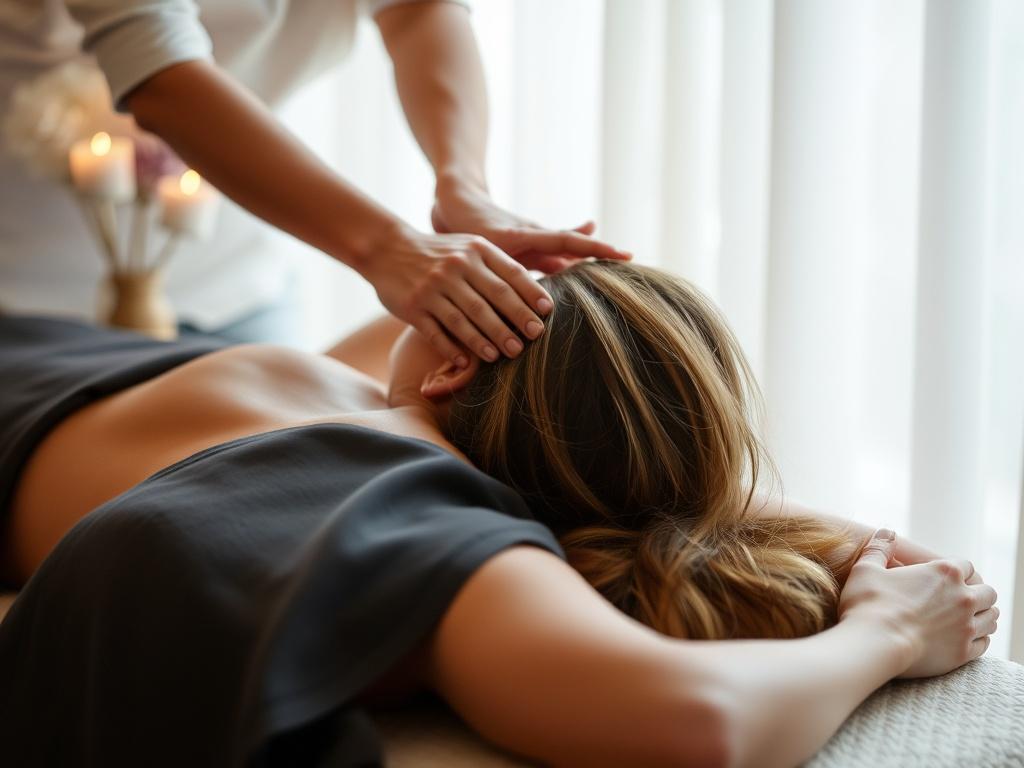
Draping—covering parts of your body not being worked on—is standard practice and protects your privacy. Communication during the session is important: therapists should check pressure and comfort, and you should feel free to speak up if something hurts or feels wrong. Sessions often end with aftercare advice like stretches, hydration, or follow-up scheduling.
- Arrive a few minutes early to complete intake paperwork when required.
- Wear comfortable clothing; you’ll be asked to undress to your comfort level and will be draped.
- Discuss pain thresholds and treatment goals before work begins.
Pricing, tipping, and session lengths
Prices vary by neighborhood, therapist experience, and the type of bodywork. In Brooklyn, typical ranges reflect a wide market: shorter sessions at budget studios, higher prices for senior therapists or clinic-based physical therapy adjuncts. Rates often increase for specialty modalities or longer sessions.
Tipping practices mirror those in the service industry; a 15–20% tip is common when you’ve received good care. If you’re on a budget, consider shorter, more frequent sessions instead of a single long treatment—consistency often yields better long-term results for chronic issues.
Brooklyn neighborhoods and what they offer
Brooklyn’s neighborhoods each bring a slightly different wellness culture. Areas like Williamsburg, Park Slope, and DUMBO host boutique spas and independent therapists catering to wellness and relaxation. Neighborhoods with larger residential populations—Bay Ridge, Sunset Park, Crown Heights—feature more clinics focused on therapeutic and community-oriented bodywork.
Consider atmosphere as much as modality. If you want a quiet, clinical environment that addresses a chronic pain issue, search for clinics with licensed therapists and physical-therapy collaborations. If you want an urban spa vibe for relaxation, boutique studios with ambience and soft music may suit you better.
Red flags to watch for
Not every place advertising “body rubs” is operating with proper standards. Some warning signs are universal and worth remembering: providers who avoid showing credentials, insist on cash-only transactions, or request that you remove more clothing than necessary without a clear therapeutic reason. Any hints of sexual solicitation are immediate cause to leave and report the business.
Other red flags include refusal to take a medical history, lack of draping or privacy measures, no written policies, or therapists who push treatments without listening to your concerns. If anything feels coercive or unsafe, end the session politely and seek another provider. Your safety and dignity must remain the priority.
- No visible credentials or refusal to provide proof of training
- Cash-only, no receipts, or hidden fees
- Requests for sexual activity or inappropriate comments
- Poor hygiene, unclean facilities, or lack of intake procedures
Alternatives and complementary therapies
If bodywork alone doesn’t resolve your issues, Brooklyn’s health ecosystem offers options to complement a massage plan. Physical therapists and chiropractors address structural issues, while acupuncturists and licensed osteopaths can offer different frameworks for pain relief and mobility. Many people combine massage with targeted exercise, stretching, or strength work.
Self-care practices also extend the benefits of a session. Simple tools—foam rollers, tennis balls, gentle mobility routines—help maintain tissue quality between appointments. A therapist can usually suggest a few tailored exercises to reinforce the work done during a professional session.
- Physical therapy for injury rehabilitation and long-term strategies
- Acupuncture for pain modulation and inflammation control
- Self-massage tools and guided mobility exercises
- Yoga or Pilates to improve posture and core strength
Final practical checklist before you book
Before you schedule, run through a short checklist to reduce surprises: verify credentials, read recent reviews, confirm the modality you want, and ask about cancellation policies. Knowing what you want and communicating it clearly makes for a more effective session and helps the therapist tailor their approach.
Bring any relevant medical records if your condition is complex, and be ready to follow post-session guidance like rest, hydration, or stretches. A little preparation yields better outcomes and helps you make the most of the time and money you invest in bodywork.
Conclusion
Finding a safe, effective body rub in Brooklyn means distinguishing between casual language and professional massage, verifying credentials and hygiene, choosing a modality that fits your goals, and trusting your instincts—book where the therapist listens, explains their approach, and treats you with respect.