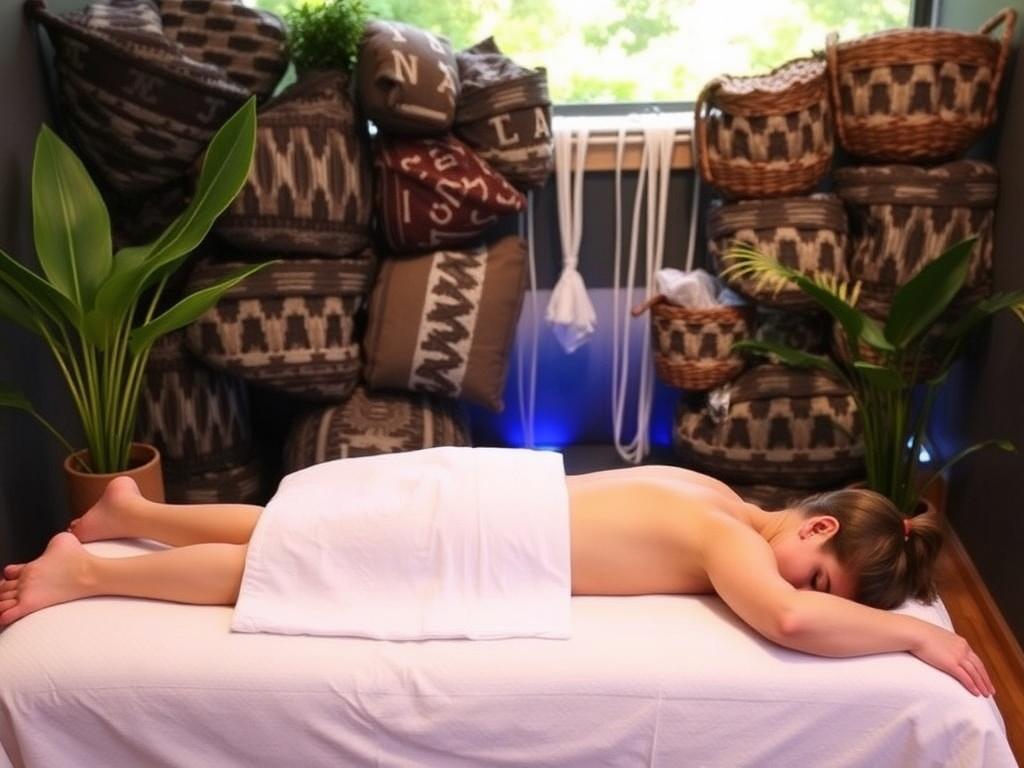

Searching for the best massage in NJ can feel like choosing a good coffee shop—there are many options, and the right one depends on taste. New Jersey offers a wide range of bodywork styles, from clinical medical massage at hospital-affiliated clinics to quiet boutique spas on the Jersey Shore. This guide helps you cut through marketing, understand what matters, and pick a therapist or spa that fits your needs, schedule, and budget.
Below you’ll find practical advice on types of massage, licensing and safety, where to look regionally, how to prepare for your appointment, and ways to save. Read it as a roadmap: whether you need pain relief, athletic recovery, or a weekend reset, you’ll leave knowing how to book confidently and get the outcome you want.
Why New Jersey Is a Strong Place to Book a Massage
New Jersey’s density and diversity create a surprisingly rich massage market. Urban centers near New York City and Philadelphia host therapists trained in cutting-edge techniques, while suburban and shore towns offer relaxed spas and seasonal therapists who specialize in recovery and relaxation. This variety means you can often find niche services—lymphatic drainage, myofascial release, or prenatal massage—without traveling far.
The state also has strong regulatory oversight for therapists, which raises the baseline of care. Licensed massage therapists (LMTs) who practice here typically complete state-required education and testing. That makes it easier to compare credentials and verify training, an important factor when you’re choosing skilled, safe bodywork.
How to Choose the Best Massage in NJ for Your Needs
Picking the right massage requires thinking beyond “deep” or “light.” Start with a clear outcome: do you want pain relief, improved mobility, stress reduction, or simply escape? Once you know why you’re going, you can evaluate therapists on technique, clinical background, and atmosphere.
Use these practical criteria when comparing studios or individual therapists:
- Credentials and licensure: Confirm LMT status and any advanced certifications (e.g., prenatal, oncology, sports).
- Specialization: Does the therapist focus on medical massage, sports rehabilitation, or relaxation treatments?
- Location and hours: Easy access and flexible scheduling matter if you’ll return regularly.
- Atmosphere: Some clients prefer clinical settings; others want spa-like ambiance with aromatherapy and soft lighting.
- Reviews and word-of-mouth: Look for consistent feedback on outcomes, not just décor.
As you evaluate options, prioritize outcome over price. A skilled therapist who tailors treatment to your body will save you time and money in the long run.
Common Massage Types and When to Choose Them
Different styles target different problems. Knowing the basics helps you match a technique to a goal—faster recovery, reduced pain, or deep relaxation. Therapists often blend approaches, so the named style is a starting point rather than a strict rule.
Here are the most common modalities and typical uses:
- Swedish massage: Light-to-moderate pressure for relaxation and circulation.
- Deep tissue: Focused, firm pressure to release chronic muscle tension and adhesions.
- Sports massage: Pre- or post-event care to prevent injury and speed recovery.
- Myofascial release: Gentle sustained pressure to free tight fascia layers.
- Pregnancy/prenatal massage: Modified techniques that are safe and comfortable during pregnancy.
- Lymphatic drainage: Very light strokes to reduce swelling and assist detoxification.
- Cupping and dry needling (when offered): Adjunct therapies for specific musculoskeletal issues.
Licensed Therapists, Certifications, and Safety Considerations
In New Jersey, practicing therapists should hold a state license and display it at the clinic. Licensing confirms minimum education and board examinations. Beyond that, look for continuing education in areas relevant to your condition—sports rehab, medical massage, or prenatal care, for example.
Safety matters. Ask about hygiene protocols, linens, and how therapists screen for contraindications such as blood clots, infections, or pregnancy complications. If you have medical conditions, request a pre-session consultation and consider medical massage or a therapist who works with physicians or physical therapists.
Where to Find the Best Massage in NJ: Regional Highlights and What to Expect
New Jersey’s compact geography makes it easy to compare offerings across towns. Urban pockets near NYC tend to have specialty clinics and therapists with advanced training. Inland and Shore towns lean toward boutique spas and seasonal practitioners focused on relaxation and sports recovery.
Below is an at-a-glance table comparing typical services and price ranges across representative areas. Use it to match a location to your expectations before you call or book online.
| Area | Typical Services | Price Range (per hour) | Best For |
|---|---|---|---|
| Jersey City / Hoboken | Sports massage, deep tissue, med-spa hybrids | $90–$150 | Professionals, athletes, advanced modalities |
| Princeton / New Brunswick | Therapeutic massage, chiropractic-integrated care | $80–$140 | Medical referrals, academic community |
| Montclair / Morristown | Boutique spas, prenatal, relaxation packages | $75–$130 | Weekend getaways, couples’ sessions |
| Asbury Park / Shore towns | Relaxation, sports recovery, seasonal options | $70–$120 | Beach visitors, weekenders |
| South Jersey (Cherry Hill, Atlantic City) | Hotel spas, medical massage, resort-style treatment | $65–$140 | Resort visitors, older adults |
Price is a guide, not a guarantee of quality. In many towns you’ll find both high-end spas and skilled therapists practicing independently at lower rates.
Booking, Etiquette, and What to Expect During Your First Visit
Booking is simpler than it used to be—many NJ therapists use online schedulers and accept texts. Prepare by filling intake forms honestly and noting chronic pain, medications, allergies, and recent surgeries. That information shapes pressure and contraindications.
On the day: arrive early, communicate your goals, and be direct about pressure. Draping practices maintain privacy; you undress to the level you’re comfortable with. If you’re unsure how to disrobe safely, ask reception. After the session, therapists often provide stretches, hydration, and self-care tips to prolong benefits.
- Before booking: read recent reviews and check licensure.
- At intake: detail relevant medical history and goals.
- During massage: give immediate feedback about pressure and pain.
- Aftercare: follow suggested stretches and hydrate; note any unusual soreness.
Insurance, Medical Massage, and When to See a Specialist
Insurance coverage for massage in New Jersey is limited but possible when prescribed by a physician for a diagnosed condition. If your therapist offers medical massage or works closely with a physician, ask whether the clinic submits claims or provides a superbill for reimbursement.
Seek a specialist when pain is persistent, worsening, or accompanied by neurological symptoms such as numbness, weakness, or sudden loss of function. In those cases, a referral to physical therapy, orthopedic care, or a pain specialist is appropriate; massage can be an adjunct but not a replacement for medical assessment.
Cost, Packages, and Smart Ways to Save
Massage prices vary with location, therapist experience, and amenities. Many clinics offer discount packages, monthly memberships, or loyalty programs that reduce per-session cost. If you plan regular treatments for chronic issues, a membership often pays for itself after a few visits.
Other ways to save:
- Book midweek or off-peak hours when rates can be lower.
- Look for first-time client promotions or community wellness events.
- Consider a series of shorter sessions focused on targeted problem areas rather than one long, infrequent appointment.
- Ask about sliding-scale or cash rates for independent therapists.
Frequently Asked Questions About Massage in New Jersey
People often ask whether deep tissue hurts, how many sessions are needed for chronic pain, or whether therapists can treat post-surgical conditions. Short answers help, but individualized assessment is key: therapists adapt pressure, technique, and frequency based on your response.
Here are concise answers to common questions:
- Does deep tissue always hurt? No. Discomfort can occur, but it should not be sharp or cause increased pain afterward. Communicate with the therapist.
- How many sessions are needed for chronic pain? Often a series is recommended—3–6 sessions spaced over weeks—followed by maintenance visits as symptoms improve.
- Can massage help post-operative recovery? Sometimes, but only with surgeon approval and a therapist trained in post-surgical care or lymphatic drainage.
- Is tipping customary? Yes—15–20% is typical, but check if gratuity is included for spa packages.
Final Tips for Getting the Most from Your Massage
Maximize benefits by scheduling sessions consistently, keeping your therapist informed about changes, and combining massage with appropriate exercise, sleep, and hydration. Small lifestyle adjustments amplify the effects of bodywork.
Finally, trust your instincts. If a clinic or therapist makes you uncomfortable or dismisses your concerns, find someone else. The best massage in NJ is the one where you feel understood, safe, and measurably better after the session.
Conclusion
Finding the best massage in New Jersey means matching your goal to a therapist’s skills, checking credentials, and considering location and budget—do a little homework, ask clear questions, and commit to a short series to judge results; the right provider will offer measurable relief, useful aftercare, and a treatment plan that fits your life.