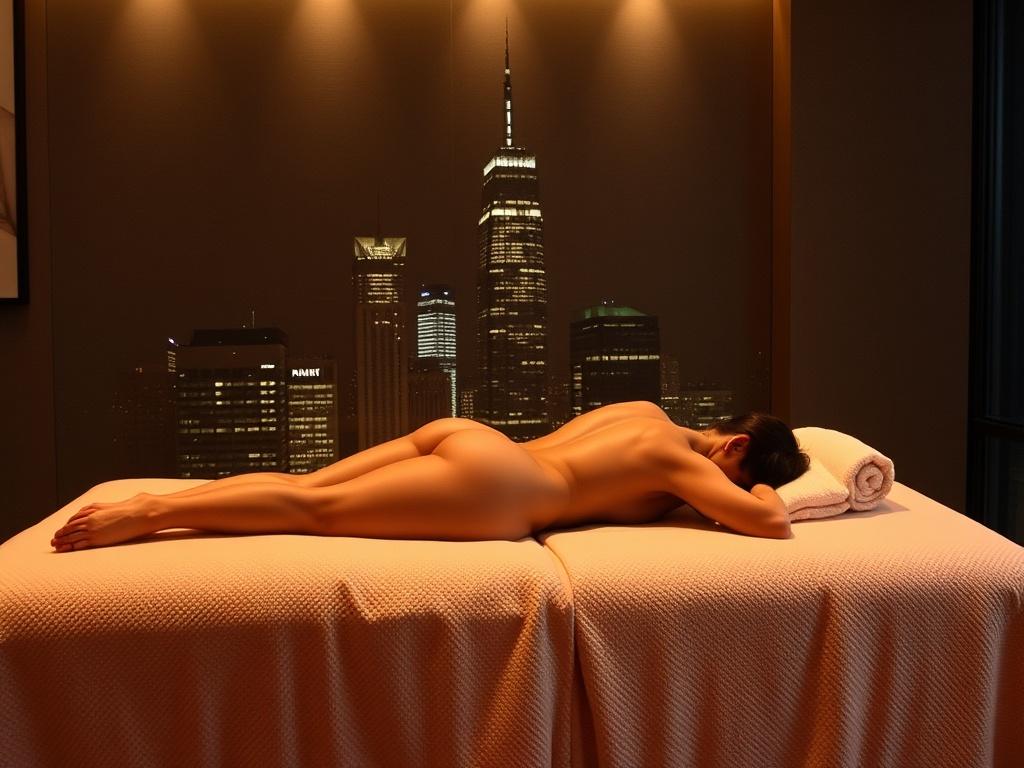

Searching for «nude massage Manhattan» often means people want clear answers: is it available, is it legal, and how do you stay safe? Manhattan’s wellness scene is vast—luxury spas, independent bodyworkers, and private studios—but the lines between professional therapy and sensual services can blur. This guide walks you through the options, terminology, safety checks, etiquette, and realistic expectations so you can make an informed choice.
Whether you’re curious about clothing-optional bodywork, exploring somatic practices, or simply trying to understand what reputable providers offer, the goal here is practical guidance. Read on for step-by-step advice on finding a legitimate practitioner, questions to ask, and alternatives if a nude or clothing-optional session isn’t the right fit.
What “nude” or “clothing-optional” massage means in Manhattan
0
The term spans a range of practices. At one end is a therapeutic massage where draping is used and clients may undress to their comfort level behind a closed door. At the other end are clothing-optional or “sensual” sessions, which emphasize body awareness and may involve less draping. Important distinction: professional therapeutic massage focuses on health, muscle function, and pain relief; sensual services prioritize intimacy and may cross legal boundaries.
Licensed, clinic-style therapists typically follow strict draping protocols and clinical boundaries. Independent practitioners who offer clothing-optional approaches should be transparent about their training, scope of practice, and consent protocols. If a provider’s description is vague or their listing emphasizes erotic language, proceed cautiously and prioritize safety.
Legal and regulatory considerations
New York law prohibits commercial sexual services, and many municipal rules regulate massage establishments and practitioners. Because legal frameworks evolve, avoid relying on hearsay. Instead, verify a provider’s credentials and whether their business is registered with local authorities. If you’re unsure, contact city consumer protection or health departments for guidance.
Professional credentials offer additional assurance. Look for practitioners with recognized certifications, insurance, or affiliations with credible associations. These signals don’t guarantee safety, but they do indicate a degree of professionalism and accountability that is absent in unofficial operations.
How to find reputable providers in Manhattan
Start with established wellness centers and licensed clinics. Well-known spas and healthcare-oriented practices are more likely to adhere to professional standards. If you prefer an independent practitioner, research their background: training, client reviews, and whether they carry liability insurance.
Use these practical search steps to vet options:
- Check professional directories and association listings (e.g., local massage therapy associations).
- Read multiple reviews across platforms—Google, Yelp, specialized wellness sites—to spot patterns.
- Visit a provider’s website and look for clear policies on consent, draping, and hygiene.
- Call ahead and ask direct questions about scope of practice, education, and boundaries.
Questions to ask before booking
Asking the right questions protects both you and the practitioner. A transparent provider will answer clearly and respectfully; evasiveness is a red flag. Before your appointment, consider these essentials:
- What qualifications and certifications do you hold?
- Do you practice draping, and how is client modesty handled?
- What is your policy on sexual contact or services?
- Are sessions covered by professional liability insurance?
- What are your cancellation and payment policies?
Keep your questions neutral and factual. If a practitioner responds defensively or tries to steer the conversation into sexual territory, do not proceed.
Pricing, booking, and what to expect
Manhattan pricing reflects the neighborhood’s cost of doing business: higher rents and premium services. Pricing varies by venue, therapist experience, session length, and whether a session includes specialized techniques like myofascial release or somatic coaching. Expect variability and ask for a written breakdown when booking.
Typical booking and session elements to anticipate include intake forms, a brief consultation, draping instructions, and clear communication about areas of focus. If the session involves clothing-optional elements, the practitioner should explain exactly how draping and consent will be handled before any work begins.
| Provider Type | Typical Offering | Credentials to Look For | Legal/Practical Note |
|---|---|---|---|
| Licensed spa or clinic | Therapeutic massage, clinical treatments | Massage therapy certification, business license, insurance | Most transparent and regulated |
| Independent bodyworker | Somatic work, holistic approaches, possible clothing-optional options | Relevant training, professional association membership | Vet carefully; ask about scope and boundaries |
| Unregulated private studio | May offer sensual or erotic services | Often unclear or absent | Higher legal and safety risk; proceed with caution |
Safety, consent, and etiquette
Respectful communication is the backbone of any legitimate session. Consent should be explicit, ongoing, and revocable at any time. A professional will obtain informed consent before touching sensitive areas and will explain how they handle draping and privacy.
Etiquette tips to observe during booking and at the session:
- Arrive modestly dressed and on time; use waiting areas when provided.
- Follow the practitioner’s instructions about undressing and draping—do so behind closed doors.
- Use agreed-upon signals (verbal or nonverbal) to stop or adjust pressure.
- Pay through documented methods; ask for a receipt if required.
- Tip according to venue norms and your level of satisfaction, but never as a means to solicit illicit services.
Red flags and when to walk away
0
Protecting yourself means recognizing warning signs: promising sexual services, refusing to provide credentials, insisting on cash-only payments at the last minute, or asking you to undress in shared spaces. Any pressure, shaming, or attempts to bypass consent are immediate grounds to leave.
Other red flags include inconsistent reviews, nonexistent online presence, vague business address, and unwillingness to answer basic questions about hygiene or draping. Trust your instincts: if something feels off, cancel and look for another provider.
Alternatives if a nude or clothing-optional session isn’t right
If you’re curious about deeper body awareness without the complications of nudity, there are excellent alternatives in Manhattan. Couples’ massage, partly clothed somatic therapy, breathwork, and guided bodywork classes provide connection and physical insight within clearer therapeutic boundaries.
Other options worth exploring include licensed physical therapists for pain-focused work, Feldenkrais or Alexander Technique for movement retraining, and professional tantra or somatic educators who emphasize consent and non-sexualized embodiment practices. These approaches can satisfy curiosity about intimate bodywork while maintaining legal and ethical safety.
Frequently asked questions
Is a nude massage legal in New York City? Laws vary by activity and context. Commercial sexual services are illegal, but clothing-optional therapeutic work exists in a narrow, regulated form when provided by licensed practitioners who follow draping and consent protocols. Always verify credentials and local regulations before booking.
How do I verify a therapist’s credentials? Ask for certifications, professional association memberships, and proof of liability insurance. Look up any professional IDs on association directories, and check for business registrations or complaints with city consumer protection agencies.
Should I tip for a nude or clothing-optional session? Tipping depends on the venue and the quality of service. At reputable spas, tipping 15–25% for good service is common. For independent practitioners, ask about gratuity norms when booking. Never use tipping to solicit or reward illicit behavior.
Conclusion
Exploring clothing-optional or nude massage in Manhattan requires careful vetting, clear communication, and an understanding of legal and ethical boundaries; prioritize licensed providers, ask specific questions about draping and consent, watch for red flags such as evasive answers or cash-only schemes, and consider safer alternatives like couples’ or somatic work if you want a mindful embodied experience without the complications—your comfort and safety should always come first.