
What people mean by «nude massage»
When someone searches for nude massage in New York, they’re usually looking for a bodywork session where the client removes some or all clothing during treatment. That can range from leaving underwear on to fully nude oil or naturist-style sessions. The term covers a range of intentions: therapeutic, sensorial, and in some cases, part of adults-only or erotic services. Context matters.
Providers also use different labels—naturist massage, full-body oil massage, and topless or unclothed sessions. A reputable practitioner will describe their approach clearly, including whether they use draping, oil, or specific modalities such as Swedish, deep tissue, or sensual bodywork. Knowing the terminology helps you find the right fit and avoid misunderstandings before you book.
Legal and professional considerations in New York
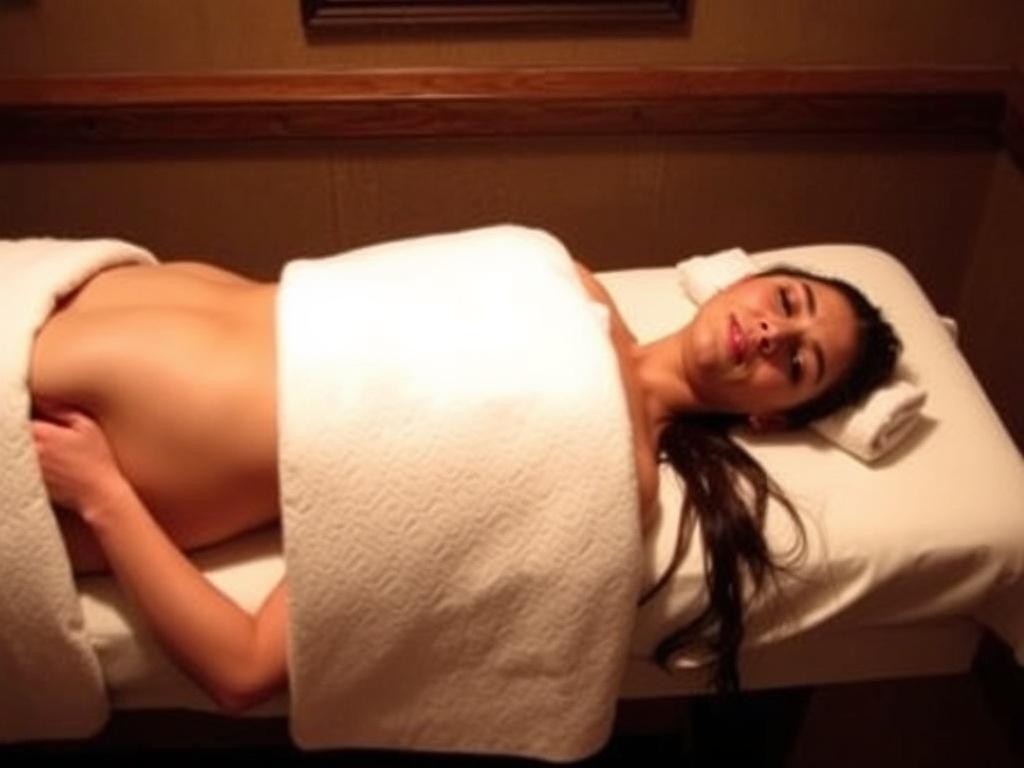
Legal rules around nudity and massage vary and are specific to activity, intent, and licensing. In general, licensed therapeutic massage is intended to be non-sexual; commercial sexual activity is illegal. If a service involves sexual contact, that falls outside the scope of regulated therapeutic practice and could expose both client and provider to legal risk.
For up-to-date, authoritative information check official resources such as the New York State Office of the Professions or local government sites. You can also verify whether a practitioner is a credentialed therapist and whether a spa is properly registered. When in doubt, ask the business directly about policies and professional credentials—responsible providers will be transparent.
Where to find reputable providers in New York
Choices in New York range from established day spas and licensed therapists to private studios and naturist clubs. Licensed clinics and well-known urban spas typically follow clear policies on draping and consent. Private studios may offer niche services—some specialize in sensual or body-awareness work—and will often list their approach and boundaries on their website.
Look for these reliable sources when searching:
- Licensed spa directories and professional associations
- Massage schools and reputable continuing-education providers
- Community-reviewed listings (independent review sites, local forums)
- Referrals from friends or healthcare providers who understand bodywork
What to expect during a session
A professional session begins with a consultation: intake form, health questions, and a discussion of your goals and boundaries. If nudity is an option, the practitioner should explain draping (how sheets or towels will be used), areas of the body they will and won’t work on, and what to do if you feel uncomfortable at any time.
During the massage, communication remains important. You control the level of undress and the pressure or techniques used. Many therapists will leave the room while you undress and take a position on the table, returning only when you’re ready. Clear, polite cues—verbal or pre-arranged—help maintain safety and comfort.
Safety, hygiene, and boundaries
Hygiene standards should be non-negotiable: freshly laundered linens, clean hands, and properly sanitized tools. Therapists who prioritize health will also adapt if you disclose skin sensitivities, recent injuries, or medical conditions. If a place looks untidy, avoids answering simple questions about sanitation, or pressures you to remove draping against your wishes, consider that a red flag.
Boundaries are both legal and ethical. A therapist’s code of ethics typically forbids sexual contact, and good providers make their policies clear. Protect yourself by insisting on clarity around what constitutes appropriate touch and by documenting any concerns after a session (e.g., save a receipt, note the practitioner’s name). If something feels wrong, you don’t have to tolerate it—leave and report as needed.
Comparing options: clothed, nude, and erotic sessions
Different settings offer different experiences. A fully clothed session—such as chair massage or some types of energy work—keeps barriers in place and is focused on relaxation or therapeutic goals. Nude or draped sessions allow more direct access to the skin, which can change how techniques feel and how effectively some therapies work.
Here is a compact comparison to help you weigh choices:
| Setting | Typical attire | Therapist training | Risk of sexual contact | Typical pricing | Suitable for |
|---|---|---|---|---|---|
| Licensed day spa | Undergarments or draped | Licensed therapists | Low (professional standards) | $100–$200/hr+ | Therapeutic relaxation, clinical work |
| Private studio / niche bodywork | Optional nude or draped | Varied (check credentials) | Variable—depends on provider | $80–$250/hr | Sensory, somatic, or specialized modalities |
| Adults-only / erotic-focused | Nude | May not be licensed | Higher—likely sexualized | Ranges widely | Explicitly erotic services |
Practical tips and etiquette for first-timers
If you’re trying a nude or partially-nude massage for the first time, a little preparation helps. Bring a form of ID if asked, arrive a few minutes early for intake, and avoid heavy meals immediately before a session. Showering beforehand is courteous and helps you feel more comfortable.
Here are simple dos and don’ts to keep the session respectful:
- Do communicate your limits before the session starts.
- Do ask about draping and exactly which areas will be worked on.
- Don’t assume anything beyond professional touch—ask if unsure.
- Don’t bring a partner unless the practice explicitly offers couples sessions.
- Do tip reasonably if you’re happy with the service and tipping is customary.
Pricing, booking, and cancellations
Prices in New York City and the state can vary widely by neighborhood, reputation, and the provider’s credentials. High-end spas command higher rates; independent therapists may be more mid-range. Nude sessions can cost the same as, or sometimes a little more than, comparable clothed services because of the specialty nature of the work.
When booking, clarify these points upfront and in writing if possible:
- Exact price and what it includes (time on table, robe use, etc.).
- Deposit and cancellation policy.
- Payment methods accepted and tipping expectations.
- Health and consent policies—especially around nudity and draping.
Alternatives and complementary practices
If full nudity feels too intimate, plenty of alternatives offer deep relaxation without removing clothing. Options include dry oil application through light clothing, warmed towels between layers, or clothed somatic sessions that focus on breathing and movement rather than skin-to-skin contact.
Complementary practices that pair well with bodywork include breathwork, mindfulness, gentle yoga, and sauna or steam sessions where nudity is normal and communal in a clearly non-sexualized context. These can build body awareness while keeping boundary expectations transparent.
Frequently asked questions
Is nude massage legal in New York? The legality depends on context: therapeutic, non-sexual bodywork provided by a credentialed professional in a regulated environment is permitted; commercial sexual activity is not. Always verify a provider’s credentials and ask about their professional policies and local regulations.
How do I ensure my safety? Vet providers by checking credentials, reading independent reviews, and asking clear questions about draping, sanitation, and boundaries. Trust your instincts: if a therapist pressures you, avoids clear answers, or lacks a professional setting, walk away.
Red flags to watch for
Not all red flags are dramatic—sometimes they’re quietly telling. Avoid services where the advertising is vague about the therapist’s training, where the atmosphere feels secretive, or where the removal of draping is presented as an implicit expectation rather than a consensual option.
Other clear warning signs include:
- Insistence on cash-only, no receipts, or private locations with no public reviews.
- Sexualized language on the provider’s site when they claim to be a therapeutic practitioner.
- Reluctance to discuss professional credentials or provide a business address.
Final thoughts before you book
Nude massage in New York can be a respectful, restorative experience when conducted in a professional, clearly communicated environment. Your comfort and consent are central; a reputable practitioner will make them their first priority. Take time to research, ask questions, and select a setting that matches your goals—whether therapeutic, sensory, or exploratory.
Remember: quality bodywork combines technical skill with clear boundaries. The best sessions leave you feeling relaxed, respected, and better informed about your body.
Conclusion
If you’re curious about nude massage in New York, approach the search with care: verify credentials, ask about draping and boundaries, favor transparent businesses, and prioritize your comfort—done right, it can be a safe, respectful way to deepen body awareness and relaxation.