
Understanding what people mean by «body rub» in Manhattan
The phrase «body rub» is used differently depending on context: for some it simply means a full-body therapeutic massage, for others it implies a sensual or erotic service. In Manhattan, where a broad spectrum of services exists, discerning the difference matters if you want a legitimate, therapeutic treatment versus something outside the scope of licensed practice. Knowing the terminology helps you find the right place and avoid misunderstandings.
New York State requires massage therapists to hold credentials and follow sanitation rules when offering therapeutic services. Conversely, a handful of establishments may advertise ambiguous services; those can range from unregulated bodywork to illegal sexual activity. This guide focuses on legal, safety-conscious options and practical steps for choosing where to go in the city safely and respectfully.
Types of services you’ll commonly encounter
Manhattan offers every style from clinical rehabilitative work to spa relaxation. Expect to see Swedish, deep-tissue, sports massage, trigger-point therapy, lymphatic drainage, chair massage for commuters, and specialized modalities like Thai or Shiatsu. Each has distinct goals: relaxation, pain relief, improved mobility, or postural correction.
Alongside legitimate therapeutic services, some establishments use vague language—»body rub,» «sensual massage,» or «rubdown»—to describe offerings that may not be licensed. When a place avoids clear descriptions of techniques, hygiene practices, or therapist credentials, treat that as a red flag and consider licensed alternatives instead.
What separates licensed massage therapy from unregulated bodywork
Licensed massage therapists have formal training, insurance, and often a license number you can verify with state authorities. They work in spas, clinics, or private practices where standards for client intake, draping, and record keeping are followed. Licensed practitioners are trained to assess conditions, adapt pressure, and recommend follow-up care.
Unregulated bodywork may be offered in parlors that lack transparent credentials, sanitation protocols, or clear therapeutic goals. The absence of information about hygiene, no visible licensing, and unusually low prices are warning signs. Choosing a reputable, licensed provider reduces risk and increases the likelihood of a professionally beneficial session.
Quick comparison: Licensed spa vs independent practitioner vs unregulated parlor
| Type | Licensing & Credentials | Typical Cost | Setting | Risks / Notes |
|---|---|---|---|---|
| Licensed Spa | Staffed by licensed therapists; posted credentials | $$–$$$ | Professional clinic or spa with reception | Lowest risk; clear policies and sanitation |
| Independent Licensed Therapist | State-licensed; may work freelance or in clinic | $–$$$ | Private studio, clinic, or mobile visits | Good care if credentials verified; variable amenities |
| Unlicensed Parlor | No verifiable license; vague claims | $–$$ | Commercial space with limited signage | Potential legal and health risks; unclear services |
| Mobile/Home Visit | May be licensed or not; verify before booking | $–$$$ (often includes travel fee) | Client’s home or hotel room | Convenient; ensure verification and safety precautions |
Legal and safety considerations in Manhattan
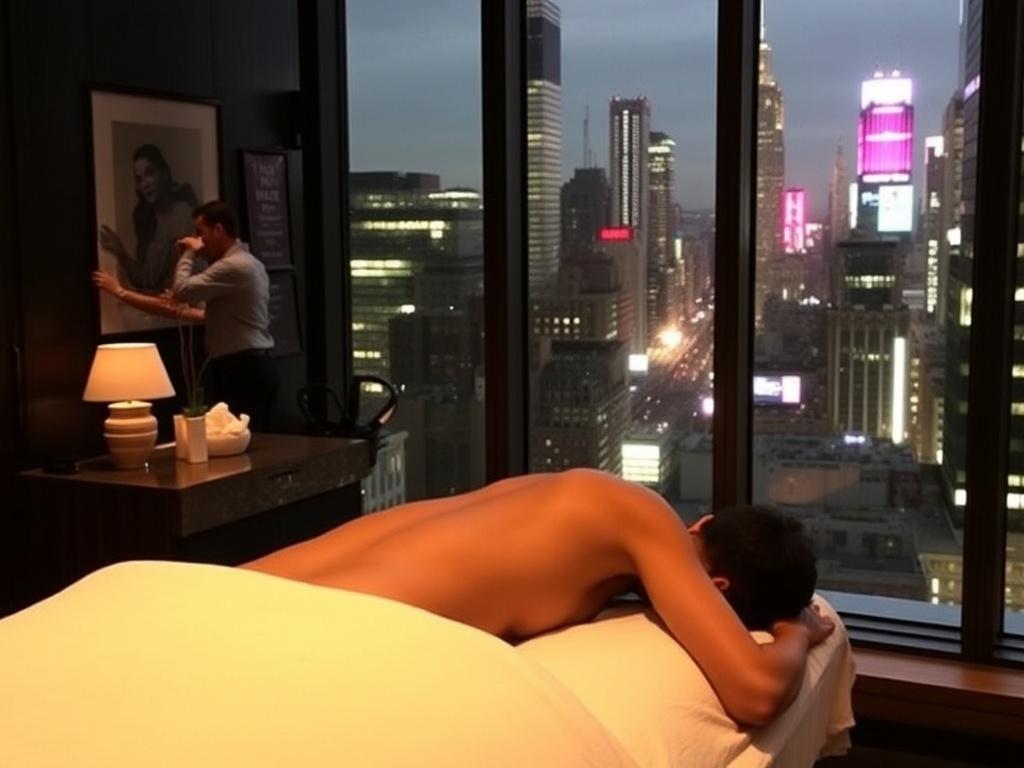
New York state requires massage licensing and enforces rules against prostitution and sexual services sold for money. Licensed therapists operate under clear standards, including client consent, draping practices, and documentation. If you’re booking a therapeutic session, ask for the therapist’s license number and verify it with the state licensing board when in doubt.
Patron safety includes both legal and personal aspects. Avoid places that insist on cash-only transactions without receipts, pressure evasive pricing, or require you to disrobe in ways that make you uncomfortable. If anything feels off during booking or the appointment, leave and report the establishment to local authorities or the state licensing office.
Health, hygiene, and pandemic-era best practices
Reputable providers maintain clean linens, disinfect high-touch surfaces, and use fresh towels or coverings for every client. Ask about laundering policies and whether therapists wash hands between clients. During illness outbreaks, many clinics adjust ventilation, reduce appointment overlap, and encourage sick staff or clients to stay home.
If you have recent exposure concerns, respiratory symptoms, or an immune-compromising condition, discuss them before booking. Some therapists may require masks or have updated hygiene protocols; others may request proof of vaccination or provide enhanced cleaning—policies vary, so ask ahead to ensure comfort.
How to find reputable places and evaluate reviews
Start with credentialed directories and professional associations, then cross-check a spa or therapist’s website for clear service menus and licensing information. Independent review sites and Google Maps are useful, but read multiple reviews and watch for patterns: specific praise for therapist skill and professionalism is meaningful; overly generic reviews can be suspect.
When contacting a provider, ask direct questions: Are therapists licensed? What are their sanitation practices? How do they handle draping and client boundaries? A professional will answer clearly, set expectations, and provide transparent cancellation and payment policies. If responses are evasive, look elsewhere.
- Search for state-licensed therapists or reputable spas.
- Verify license numbers with the New York State licensing board.
- Read reviews across platforms, not just one source.
- Call and ask about sanitation, draping, and scope of practice.
- Trust your instincts—leave if anything seems unsafe or unprofessional.
Pricing, tipping, and common etiquette in Manhattan

Rates in Manhattan vary with location, experience, and modality. Expect a city-center spa to charge more than a neighborhood clinic. Typical therapeutic massage can range from an affordable licensed therapist to premium boutique prices. Mobile services may add travel fees. Price alone doesn’t guarantee quality; verify credentials and reviews.
Tipping follows general U.S. service norms. A 15–20% gratuity is common for a satisfying session, with variations based on service level and local customs. Etiquette also includes arriving a few minutes early, communicating preferences about pressure and discomfort, and respecting the therapist’s professional boundaries. Keep conversations professional and avoid inappropriate requests.
- Do communicate health issues or areas to avoid before the session.
- Do respect draping and the therapist’s scope of practice.
- Don’t make sexual comments or requests; it’s inappropriate and may be illegal.
- Do cancel or reschedule within the spa’s stated timeframe to avoid fees.
Alternatives and complementary therapies to consider
If your goal is pain relief or physical rehabilitation, consider licensed physical therapists, chiropractors, or osteopathic physicians who can diagnose and create treatment plans. Acupuncture, movement therapy, and clinical exercise programs may complement hands-on bodywork. Floatation therapy and guided relaxation sessions are options focused more on stress relief than manual therapy.
Self-care at home—foam rolling, targeted stretching, and consistent posture habits—also reduces reliance on frequent sessions. Many therapists provide simple home routines or exercises to maintain gains between appointments, which is cost-effective and empowering.
Frequently asked questions
Is a «body rub» legal in Manhattan? The legality depends on the service provided. Therapeutic massage by a licensed practitioner is legal and regulated; sexual services exchanged for money are illegal. If a business markets ambiguous or sexualized offerings without clear licensing, proceed cautiously and verify credentials.
How can I confirm a therapist’s license and safety practices? Ask for the therapist’s license number and search the New York State licensing database. Request information on sanitation policies, draping, and what to expect during the session. Legitimate providers will welcome these questions and supply clear answers.
What should I do if I feel uncomfortable during an appointment? Politely stop the session and state your discomfort. If the situation escalates or you feel unsafe, leave and report the incident to the spa management or local authorities. You can also contact the state licensing board to file a complaint about unprofessional conduct.
Is confidentiality respected? Licensed providers typically follow privacy standards and maintain client notes. If you have specific confidentiality concerns, ask how records are stored and whether conversations remain private.
Practical tips for first-time visitors
Before booking, read the service menu thoroughly so you understand whether you are scheduling a therapeutic massage or something else. Provide concise health information during intake—recent surgeries, injuries, pregnancy, or allergies matter. Bring a list of medications or conditions if you have complex health issues.
During the appointment, communicate clearly about pressure and comfort. Use a safe word or simple phrase to pause if something feels wrong. After the session, hydrate, take gentle movement breaks, and note any lingering soreness—your therapist can advise on aftercare and appropriate follow-up.
Conclusion
Choosing a body rub or therapeutic massage in Manhattan means balancing your goals—relaxation, pain relief, or rehabilitation—with safety, legality, and professional standards; verify licenses, read reviews, ask direct questions about sanitation and scope of practice, and trust your instincts to find a reputable provider who meets your needs.