
Searching for an upscale bodyrub in New York means more than finding a place that feels plush. It’s about locating skilled hands, a calm environment, and professional standards that respect your comfort and health. In a city where options range from five‑star hotel spas to boutique wellness studios, knowing what to look for saves time, money, and awkward experiences.
This guide walks you through how high‑end bodyrub services differ from ordinary massages, where to find reputable providers, what treatments are commonly offered, and the practical, legal, and etiquette considerations every visitor should know. Read on to make an informed choice that fits your needs—relaxation, recovery, or simply a luxurious hour to yourself.
What “Upscale Bodyrub” Means in New York
In New York, the term “upscale bodyrub” typically signals a premium massage or bodywork session delivered in a refined setting. Think quiet treatment rooms, high‑quality linens, trained therapists, and carefully chosen oils or lotions. The emphasis is on comfort, professionalism, and a thoughtful guest experience rather than quick turnover or bargain prices.
These services are usually offered by licensed massage therapists or spa-trained bodyworkers. Upscale establishments focus on clear communication about the treatment plan, client preferences, and any health concerns. If you value discretion, atmosphere, and technique, an upscale option will prioritize those elements.
Where to Find Reputable Luxury Massage and Bodyrub Services
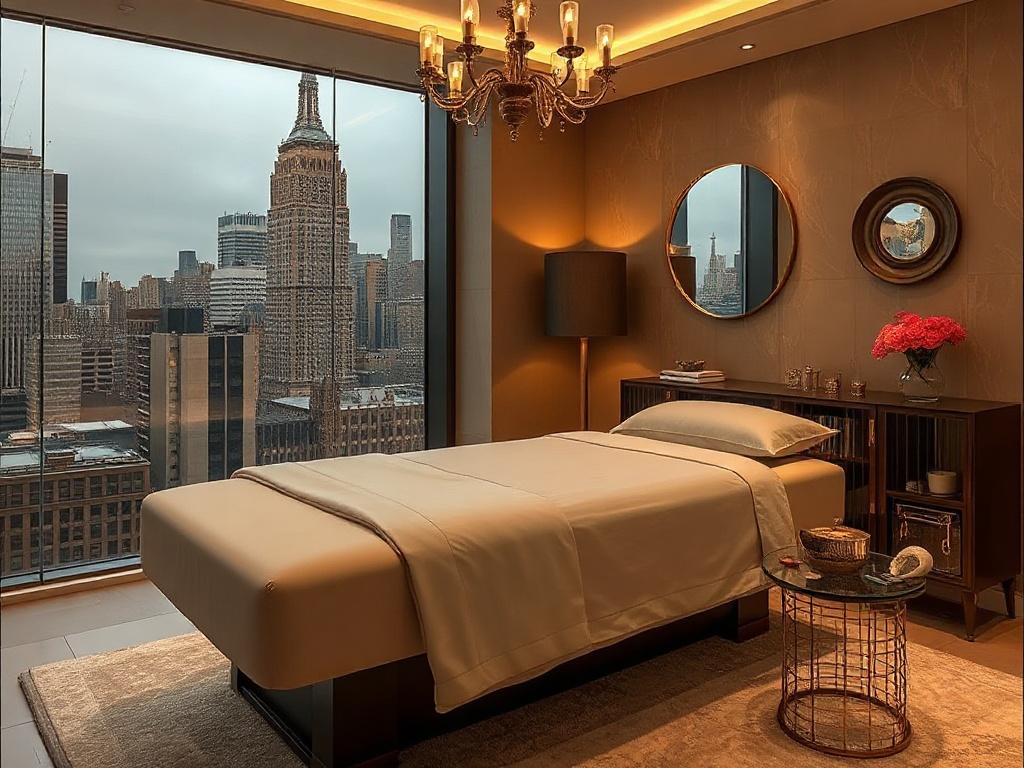
Finding a trustworthy, high-end bodyrub begins with choosing the right kind of venue. Look for established spas, hotel wellness centers, medical massage clinics, and reputable boutique studios. These places are more likely to maintain licensure, strict sanitation, and transparent booking practices.
Online reviews matter, but interpret them with nuance. Pay attention to consistent mentions of therapist skill, professionalism, and facility condition rather than single glowing or scathing comments. Check the spa’s website for therapist bios and certifications, and calling ahead to ask questions can reveal a lot about their standards.
Neighborhoods and Venues to Consider
Manhattan is home to many luxury options—from Midtown hotel spas to intimate West Village studios—while Brooklyn’s boutique scene offers polished, neighborhood‑oriented experiences. Uptown locations like the Upper East Side and Upper West Side often cater to clientele seeking quieter, more private appointments.
Beyond geography, consider the type of venue: hotel spas deliver a full service experience with additional amenities; medical or sports massage clinics emphasize therapeutic outcomes; boutique studios specialize in certain modalities or curated atmospheres. Choose the setting that aligns with your expectations.
- Hotel spas: full amenities, consistent service models.
- Boutique studios: atmosphere-focused, specialized modalities.
- Medical clinics: therapist‑led, targeted therapeutic goals.
Types of Treatments Offered at Upscale Bodyrub Locations
Upscale establishments offer a variety of bodywork modalities to match different goals: relaxation, tension release, athletic recovery, or skin and lymphatic treatments. While names can vary, the core approaches are consistent across reputable spas.
Common treatments include Swedish, deep tissue, hot stone, aromatherapy, sports massage, and lymphatic drainage. Some high‑end spas also offer signature rituals that combine exfoliation, wraps, and extended relaxation time. Ask for a treatment description before booking to ensure it matches your needs.
| Treatment | Typical Duration | Price Range (NYC) | Primary Focus |
|---|---|---|---|
| Swedish Massage | 50–90 minutes | $120–$250 | Relaxation, circulation |
| Deep Tissue | 50–90 minutes | $140–$280 | Chronic tension, muscle knots |
| Sports Massage | 30–90 minutes | $100–$260 | Performance, recovery |
| Hot Stone / Signature Ritual | 60–120 minutes | $180–$400 | Deep relaxation, luxury experience |
| Lymphatic Drainage | 45–75 minutes | $140–$300 | Fluid balance, post‑surgery care |
Booking, Pricing, and What to Expect
Upscale bodyrub prices reflect quality of service, therapist experience, and facility costs. Expect to pay more in Manhattan hotels than in neighborhood studios. Typical session lengths are 50, 60, 75, or 90 minutes; many spas offer shorter “express” options as well.
When you book, clarify what the session includes—arrival time for check-in, use of locker rooms or steam facilities, and whether gratuity is included. Bring any recent medical information or injuries to the therapist’s attention, and be prepared to fill out a brief intake form.
- Book through the spa’s official website or by phone to confirm therapist availability.
- Arrive 10–15 minutes early to complete intake and decompress.
- Tipping: 15–25% is customary for good service; some venues add a service charge.
- Cancellation: cancel at least 24 hours in advance to avoid penalties.
Preparing for Your Session
Comfort matters. Wear loose clothing to your appointment and avoid heavy meals immediately beforehand. If you have sensitive skin or allergies, mention them so hypoallergenic products can be used. Hydration before and after a session helps with recovery and reduces soreness.
During the treatment, speak up about pressure, temperature, or music volume. A professional therapist will adjust technique and check in periodically. After the session, take a few minutes to reorient before returning to the city’s pace.
Etiquette, Consent, and Professional Standards
Respectful communication and clear consent are central to any legitimate bodyrub or massage. Therapists should explain draping (covering with sheets), ask about pressure preferences, and never perform services outside agreed professional bounds. You, as a client, should feel empowered to decline techniques or end a session at any time.
Verify credentials if you’re unsure: licensed massage therapists in New York display their certification and are often listed on the spa’s team page. Ethical businesses will have clear policies and a transparent complaints process if something goes wrong.
Health, Safety, and Legal Considerations
Sanitation standards are higher at upscale facilities: single‑use linens in some cases, regular laundering, and protocols for cleaning treatment rooms between clients. Reputable spas follow health department guidance and require therapists to practice hygiene and stay home when ill.
Legally, prostitution and sexual services for pay are illegal in New York State. Upscale providers operate within health and licensing regulations and make this clear in their communications. If a business suggests services outside professional massage, it’s a red flag—report it to local authorities or the licensing board.
Comparisons: Upscale Bodyrub vs. Medical Massage vs. Day Spa
These three categories overlap but have different emphases. Upscale bodyrub tends to combine therapeutic technique with a luxury atmosphere. Medical massage is outcome‑driven and may involve referrals or coordination with healthcare providers. Day spas focus on pampering and a broader menu of beauty or skin treatments.
Choosing between them depends on your priorities: choose medical massage for injury or chronic pain, a day spa for a multi‑treatment relaxation day, and an upscale bodyrub if you want skilled hands in a refined setting where wellness and comfort meet.
- Medical massage: clinical, targeted results, often billed through clinics.
- Upscale bodyrub: professional, comfort‑forward, higher price point.
- Day spa: variety of beauty and relaxation services, often packages.
How to Choose the Right Session for You
Decide your main goal: stress relief, muscle recovery, or skin/body ritual. From there, pick a modality and duration that match. If you’re new to massage, start with a 60‑minute Swedish session and ask the therapist to focus on tense areas. If you have chronic issues, choose deep tissue or sports massage delivered by a therapist with relevant experience.
Other selection factors include therapist gender preference, availability of private suites, whether you want supplemental amenities (sauna, hydrotherapy), and budget. Use the checklist below before booking to avoid surprises.
- Primary goal (relaxation, recovery, skincare)
- Desired duration and time of day
- Therapist qualifications and specialties
- Facility standards and cancellation policy
- Price range and gratuity expectations
Cost Summary and Typical Timeframes
Expect higher rates in central Manhattan and in hotel spas. A 60‑ to 90‑minute session at an upscale venue commonly falls between $150 and $300; signature rituals and extended packages can be $400 or more. Off‑peak and neighborhood studios sometimes offer premium experiences at slightly lower prices.
Time your appointment with traffic and your day’s schedule. A 90‑minute session allows time for consultation, the treatment itself, and a relaxed exit. If pressed for time, a 50‑ or 60‑minute session still provides real benefit without a major time commitment.
Conclusion
Choosing an upscale bodyrub in New York is about aligning quality, safety, and the kind of experience you want—whether that’s therapeutic relief, deep relaxation, or a special wellness ritual. Do a little homework: check credentials, read consistent reviews, ask questions before booking, and trust your instincts if something feels off. With the right preparation, a luxury bodyrub can be an elegant and effective way to restore balance in the city that never sleeps.