
Searching for a massage in NJ can feel simple at first—yet once you factor in styles, credentials, and locations from Hoboken to Cape May, choices multiply. This guide cuts through the clutter. It explains common techniques, how licensing works in New Jersey, what to expect at your first appointment, and practical tips for choosing the right therapist for your needs.
Whether you want stress relief, recovery after a workout, or help managing chronic pain, understanding the local landscape will save time and improve results. Read on for clear comparisons, step-by-step advice, and checklists you can use the next time you book a session.
Why Get a Massage in New Jersey?
Massage provides measurable physical benefits: improved circulation, reduced muscle tension, and increased range of motion. For many people living in New Jersey’s fast-paced cities and commuter suburbs, those benefits translate into fewer headaches, better sleep, and less workplace discomfort.
Beyond the physical effects, skilled bodywork reduces stress hormones and can improve mood and focus. For athletes and weekend warriors across the state, regular sessions can speed recovery and lower injury risk. In short, massage in NJ is as much preventive care as it is immediate relief.
Types of Massage and Bodywork Offered in NJ
New Jersey clinics and spas offer a broad range of modalities. Standard options include Swedish and deep tissue, while many therapists add specialized services like myofascial release, lymphatic drainage, or prenatal massage. Complementary techniques such as cupping and hot stones appear in both wellness centers and sports clinics.
Choosing among styles means matching technique to your goals: relaxation, rehabilitation, or targeted muscle work. Below is a quick list of commonly available modalities, followed by a comparison table to help you decide.
- Swedish Massage — light to moderate pressure focused on relaxation and circulation.
- Deep Tissue — firmer work aimed at chronic tension and adhesions.
- Sports Massage — tailored to performance, recovery, and injury prevention.
- Myofascial Release — gentle sustained pressure for connective tissue restrictions.
- Trigger Point Therapy — focused pressure on specific painful knots.
- Prenatal Massage — adapted positioning and pressure for expectant mothers.
- Lymphatic Drainage — light, rhythmic strokes to encourage fluid movement.
- Modalities like cupping and hot stone — adjuncts to manual techniques.
| Modality | Pressure | Typical Length | Best For |
|---|---|---|---|
| Swedish | Light–Moderate | 30–90 minutes | General relaxation, stress reduction |
| Deep Tissue | Firm | 45–90 minutes | Chronic muscle tension, restricted range of motion |
| Sports | Medium–Firm (adaptable) | 30–90 minutes | Athletic recovery, pre/post-event preparation |
| Myofascial Release | Gentle–Sustained | 30–90 minutes | Scar tissue, postural restrictions |
| Lymphatic Drainage | Very Light | 30–60 minutes | Swelling reduction, post-surgical support |
Popular Modalities: When to Choose Each
Pick Swedish or relaxation-focused sessions if your primary goal is stress relief or sleep improvement. These sessions use long, flowing strokes and are ideal for first-timers. If you have a specific area of persistent pain—like tight shoulders or lower back stiffness—deep tissue or trigger point therapy often delivers better results.
Athletes will find sports massage most practical; therapists trained in sports techniques will work on muscle groups relevant to your sport and provide stretching and self-care advice. Pregnant clients should seek practitioners with prenatal training to ensure safe positioning and appropriate pressure.
Licensing, Certification, and Safety in New Jersey
Massage therapists in New Jersey must meet state licensing requirements. A proper license indicates the practitioner completed accredited training and passed required exams. Licensing is the most reliable signal a therapist follows recognized standards for safety and competency.
Beyond state licensure, many therapists pursue national certifications or continuing education in specialty areas. When evaluating providers, look for visible credentials at the clinic and online—these show a commitment to professional development and safer care.
How to Verify a Massage Therapist in NJ
Verifying credentials is straightforward and well worth a few minutes. Start with the New Jersey state licensing board or consumer affairs website to confirm an active license and whether any disciplinary actions exist. Many state boards have searchable online portals.
Next, check professional organizations like the National Certification Board for Therapeutic Massage & Bodywork (NCBTMB) for additional certifications. Finally, read recent client reviews and ask the clinic about sanitation practices, insurance, and continuing education—these practical details reveal a clinic’s standards.
- Search the New Jersey Division of Consumer Affairs license lookup.
- Confirm national certifications when applicable (e.g., NCBTMB).
- Read recent client reviews on multiple platforms.
Choosing Between Spa, Clinical, and Mobile Massage
Each setting delivers a different experience. Spas emphasize relaxation and atmosphere—soft music, aromatherapy, and plush linens. Clinical settings focus on rehabilitation and often integrate massage with physical therapy or chiropractic care. Mobile therapists bring treatment to your home, offering convenience for busy schedules or limited mobility.
Your choice should match your priorities. Choose a spa for a restorative escape. Visit a clinical practice for injury-oriented care and better integration with medical providers. Opt for mobile services when travel time or transportation is a barrier. Prices and cancellation policies also vary significantly between these formats.
- Spa: ambiance, relaxation-focused services, add-ons available.
- Clinical: medically oriented, often coordinated with other providers.
- Mobile: convenient, ideal for homebound or tight schedules.
What to Expect During Your First Session
Your first visit typically begins with an intake form and a short consultation. The therapist will ask about medical history, current symptoms, medications, and any areas to avoid. Honesty here helps avoid adverse effects and improves outcomes.
Draping is standard: therapists only uncover the area being worked on and keep you covered otherwise. Communication is crucial—mention pressure preferences, pain, or discomfort immediately. After the session, you may receive stretching or self-care recommendations and guidance on follow-up frequency.
- Arrive 10–15 minutes early to fill forms and relax.
- Bring a list of current medications and relevant health history.
- Speak up about pressure, pain, or uncomfortable positioning.
Costs, Insurance, and Booking Tips
Rates in New Jersey vary by location and service type. As a general guide, expect roughly $60–$120 for a one-hour session in suburban areas and higher rates in major urban centers. Specialized treatments or senior therapists with advanced training often cost more.
Insurance coverage depends on medical necessity and the insurer. If massage is prescribed by a physician for a documented condition, some plans will reimburse or cover part of the treatment. Flexible Spending Accounts (FSA) and Health Savings Accounts (HSA) sometimes allow massage when medically necessary; keep receipts and provider details for claims.
- Book off-peak appointments for lower rates and better availability.
- Ask about introductory specials or package discounts.
- Confirm cancellation and rescheduling policies before booking.
Finding the Right Therapist for Your Needs
Finding a good fit involves matching technique, experience, and personality. Look for therapists who advertise specialties that match your needs—sports injury, chronic pain, prenatal care, etc. Read practitioner bios to understand their training and years of experience.
During the first session, ask targeted questions: How long have you treated this condition? What outcomes can I expect? Do you coordinate care with physicians or physical therapists? A good therapist will answer clearly and set realistic expectations.
- Questions to ask before booking: training background, specialties, licensure.
- Red flags: refusal to discuss techniques, lack of visible credentials, poor hygiene.
- Look for therapists who provide home-care advice and measurable follow-up.
Practical Tips for Long-Term Benefits
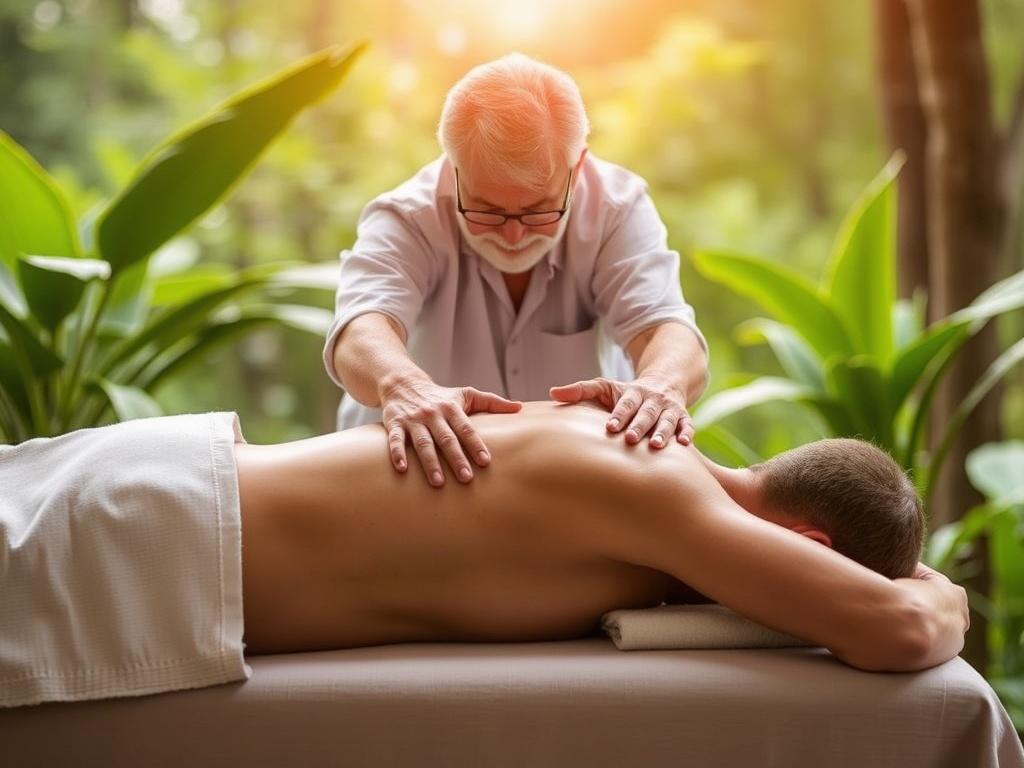
Consistency matters. Short, regular sessions often beat infrequent long sessions if you’re managing chronic conditions. Combine massage with simple self-care—hydration, targeted stretching, and posture awareness—to extend gains between appointments. Keep a brief log of what works so you and your therapist can refine the treatment plan over time.
Finally, trust your instincts. If a therapist’s style doesn’t fit, it’s reasonable to try a different practitioner. The right relationship is collaborative, informed, and respectful of your boundaries.
Conclusion
Massage in NJ offers a wide range of options—from calming Swedish sessions at neighborhood spas to focused clinical treatments for injury recovery. Verify licenses, match modality to your goals, and prioritize open communication with your therapist; doing so will help you find efficient, safe, and enjoyable care whether you live in an urban center or along the shore.